Categories
Global Chefs Challenge

Results Are In for the Global Chefs Challenge Asia Regional Semi-Finals!

Find out who secured a spot at the Global Chefs Challenge Finals in May 2026.

Kuala Lumpur, Malaysia, 28th September 2025 – The results are in from the Global Chefs Challenge Asia Regional Semi-Finals! From 23-26 September 2025 in Kuala Lumpur, this event brought together exceptional culinary talent from across the Asian continent, showcasing innovation, skill, and dedication to culinary excellence.

With a total of 14 participating countries and 51 teams, the judging process was conducted with utmost fairness and integrity. The judging panel, comprised of esteemed culinary professionals, ensured an objective and transparent evaluation of each team’s performance. Key judges included:

  • Worldchefs Observer: Chef Willment Leong, Asia Continental Director
  • Chief Judge: Chef Rudolf Muller
  • Pastry Judges: Chef Chern CH, Kenny Kong, Steven Ong
  • Judging Team: Andreas Muller, Bob Adnin, Vincent Tan, Fathimath Umar, Tony Khoo, Karl Heinz Ney, KK Yau
  • Rookie Judges: Edward Chui, Wattanasak Changkeb, Vo Thi Ha Hai

Dedicated chefs demonstrated their talent across four categories: Global Chefs Challenge, Global Young Chefs Challenge, Global Pastry Chefs Challenge, and Global Vegan Chefs Challenge. The winners have secured a spot at the Global Chefs Challenge Finals, taking place at the Worldchefs Congress & Expo 2026 in Wales.

Results are listed below by category.

Global Chefs Challenge Final Qualifying Teams
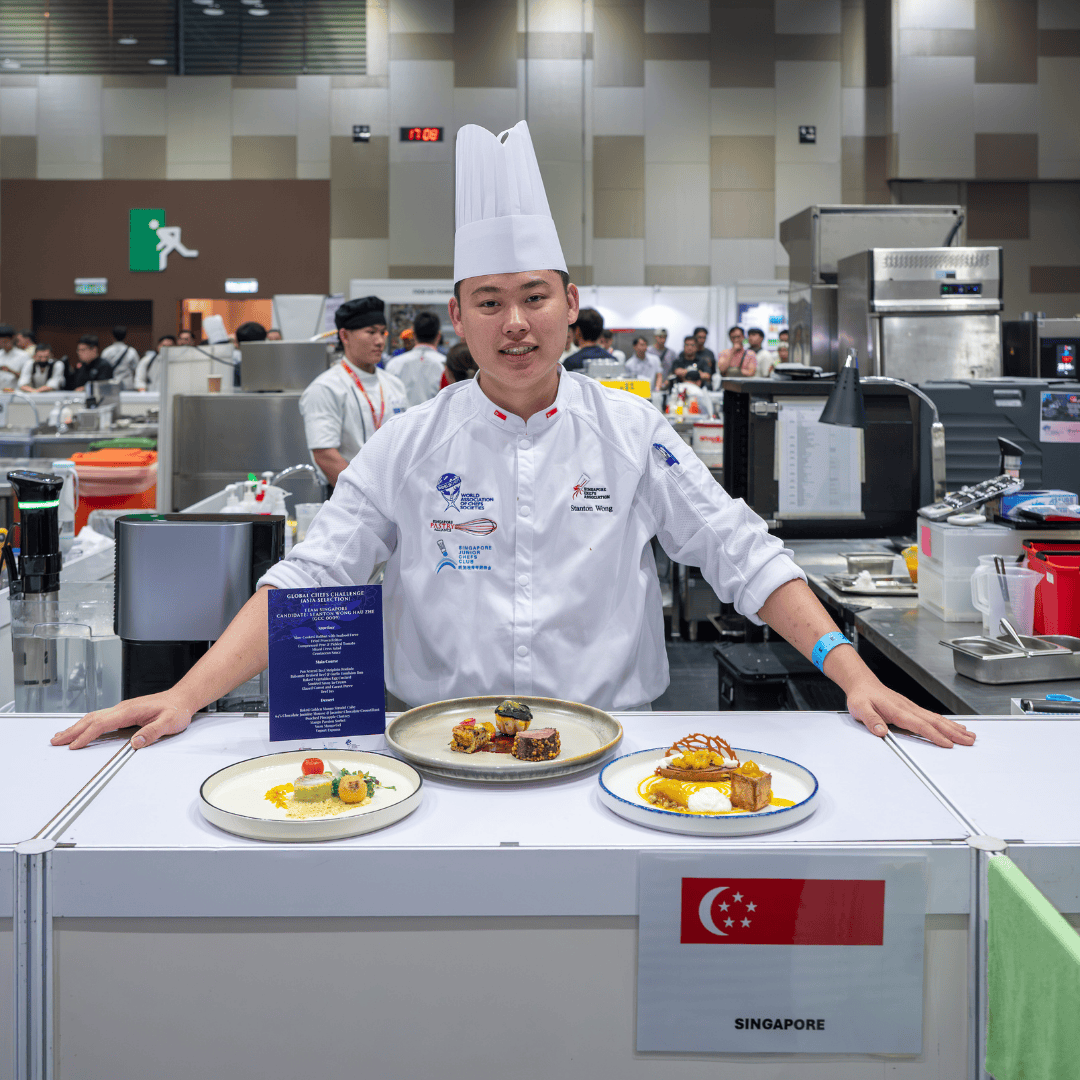
  • 1st Place: Stanton Wong Hau Zhe, Singapore
  • 2nd Place: Trinh Tuan Dung, Vietnam

See the Global Chefs Challenge official results below:

CountryParticipant NameRank
SingaporeStanton Wong Hau Zhe1st Place
VietnamTrinh Tuan Dung2nd Place
KoreaDong-Ki Kim3rd Place
1st Place: Stanton Wong Hau Zhe, Singapore
2nd Place: Trinh Tuan Dung, Vietnam
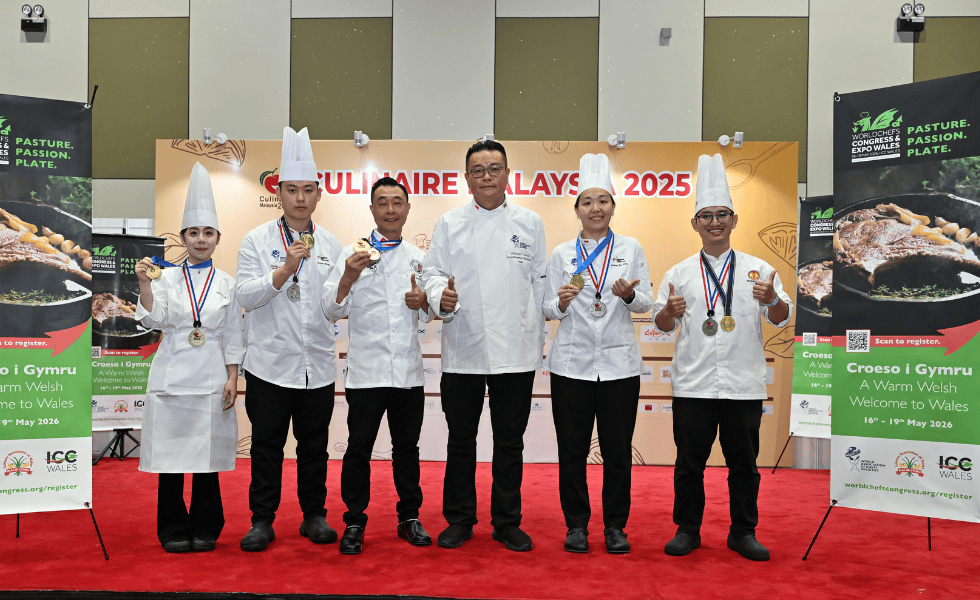
Pictured from left to right: Nigel Peh, Stanton Wong Hau Zhe, Willment Leong, Trinh Tuan Dung, and Dong-Ki Kim
Global Young Chefs Challenge Final Qualifying Team
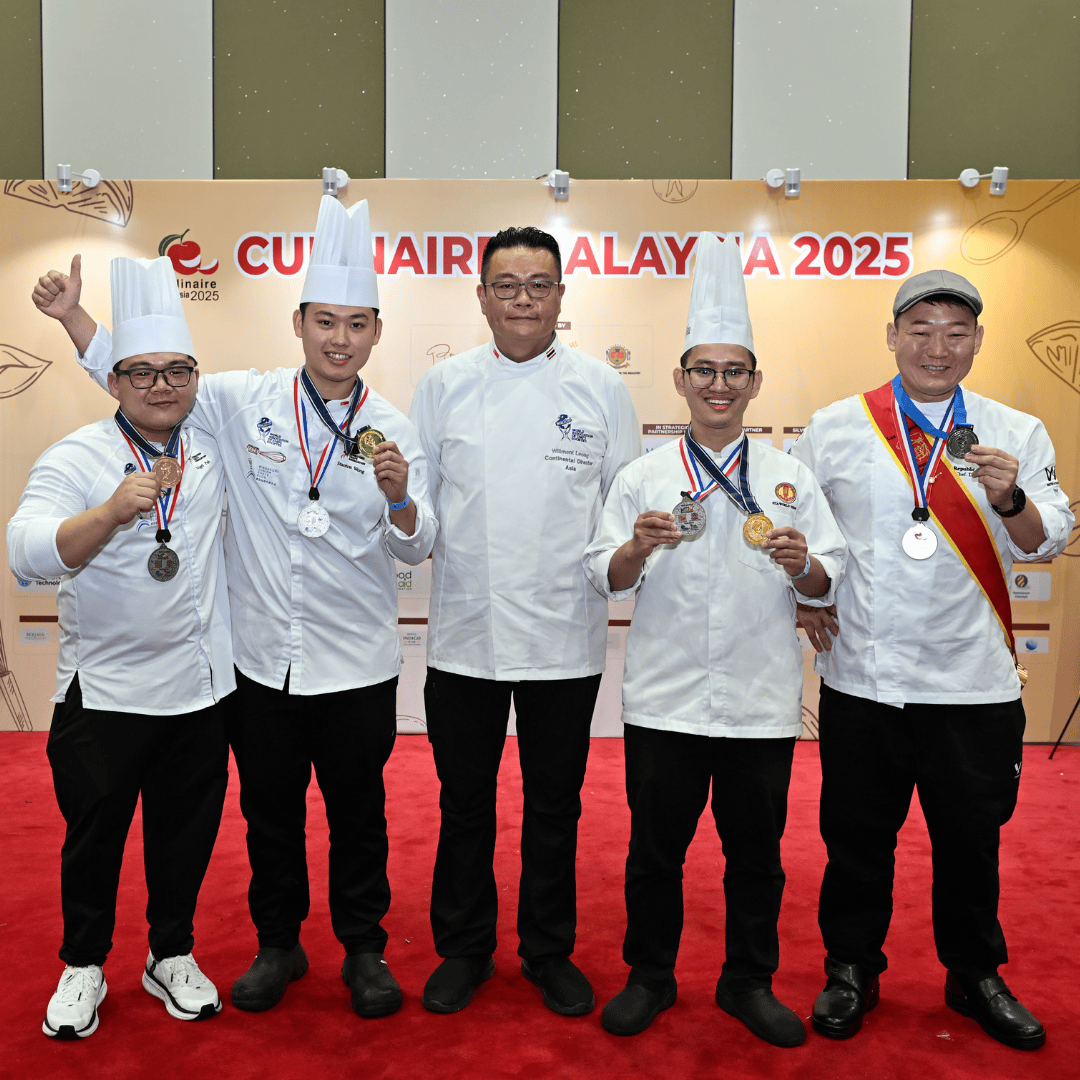
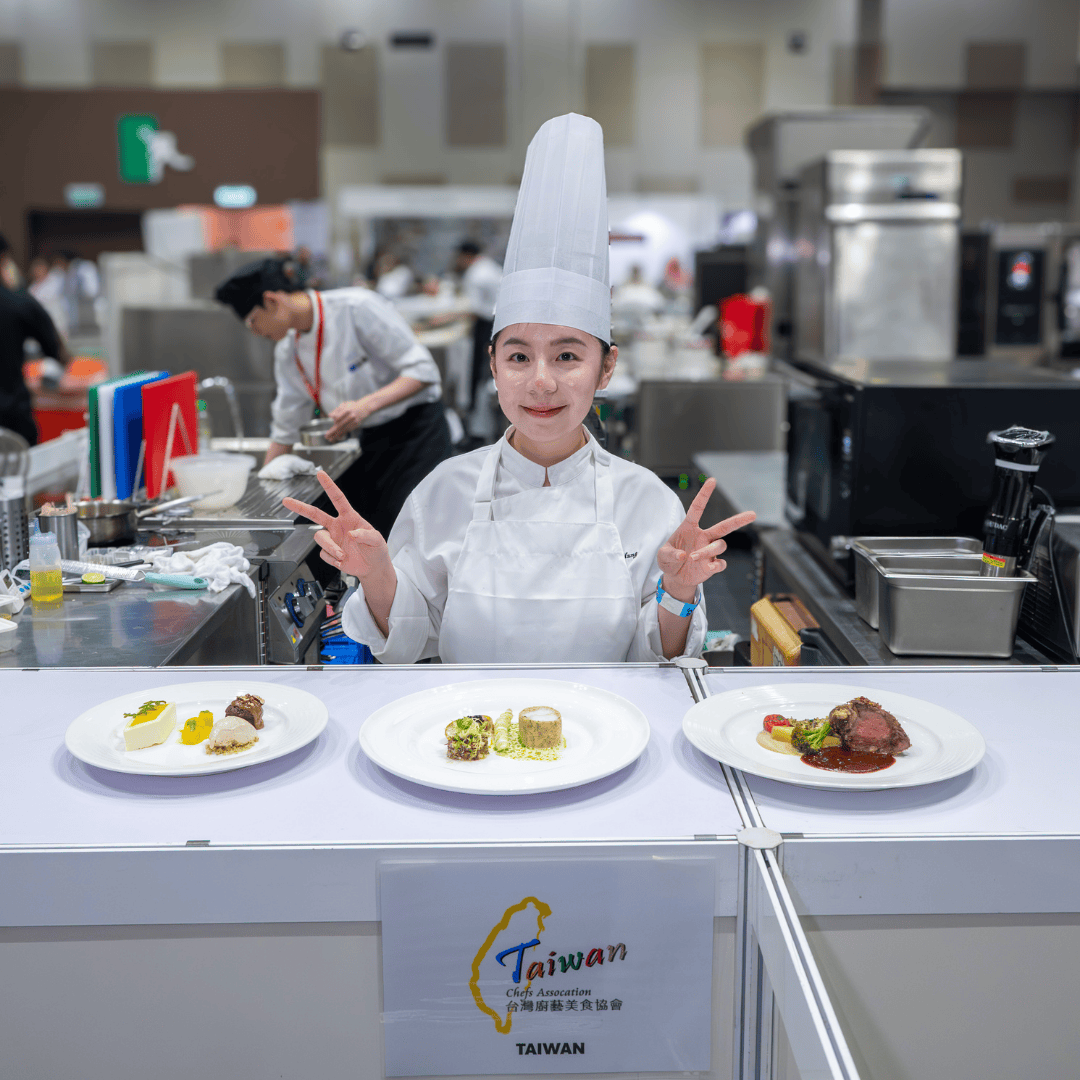
  • 1st Place: Yi-Hsuan Hung, Taiwan

See the Global Young Chefs Challenge official results below:

CountryParticipant NameRank
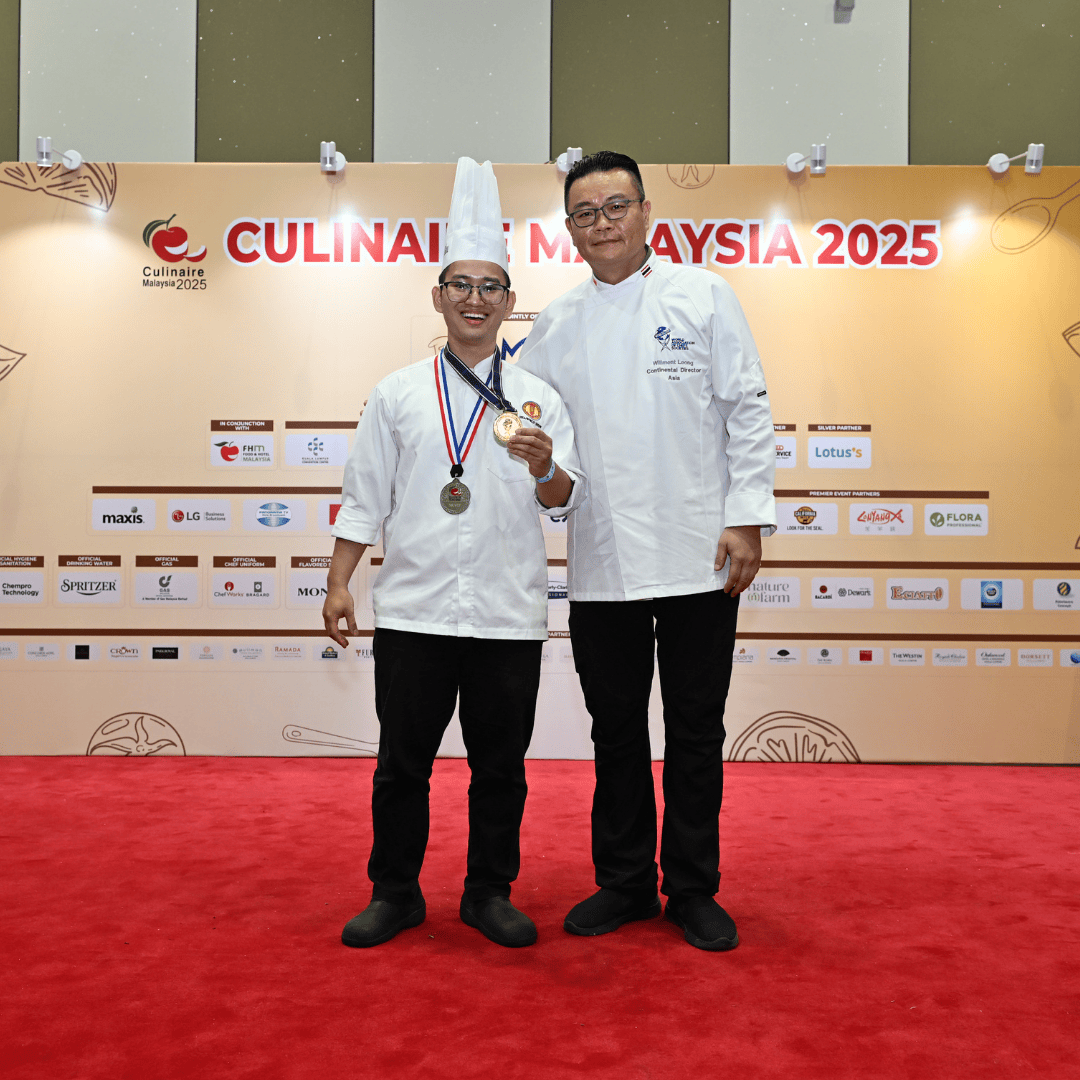
TaiwanYi-Hsuan Hung1st Place
PhilippinesJovan Dungon 2nd Place
MalaysiaMuhammad Syafiq Syahmi Bin Saidon3rd Place
1st Place: Yi-Hsuan Hung, Taiwan
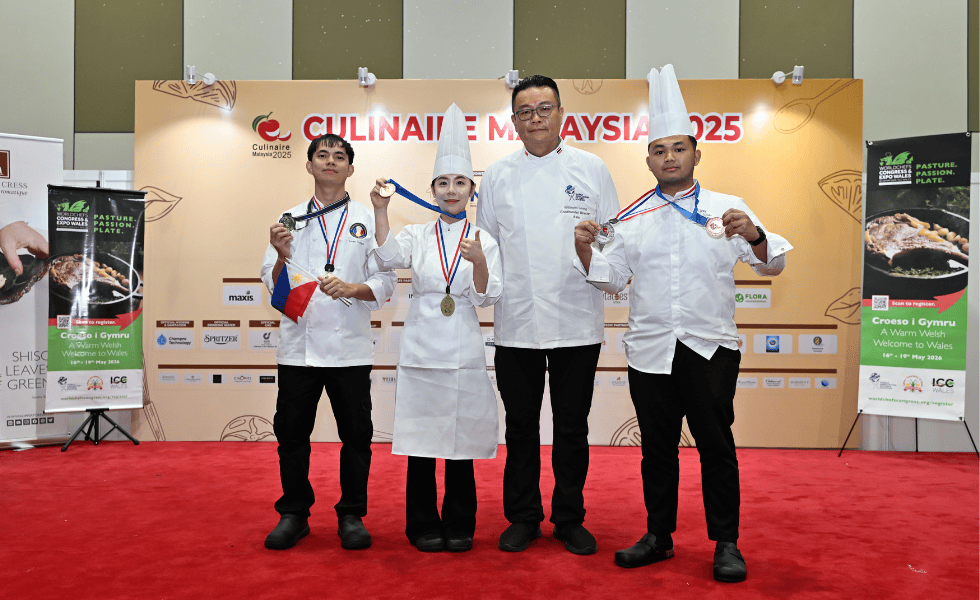
Pictured left to right: Jovan Dungon, Yi-Hsuan Hung, Wilment Leong, and Muhammad Syafiq Syahmi Bin Saidon
Global Pastry Chefs Challenge Final Qualifying Team
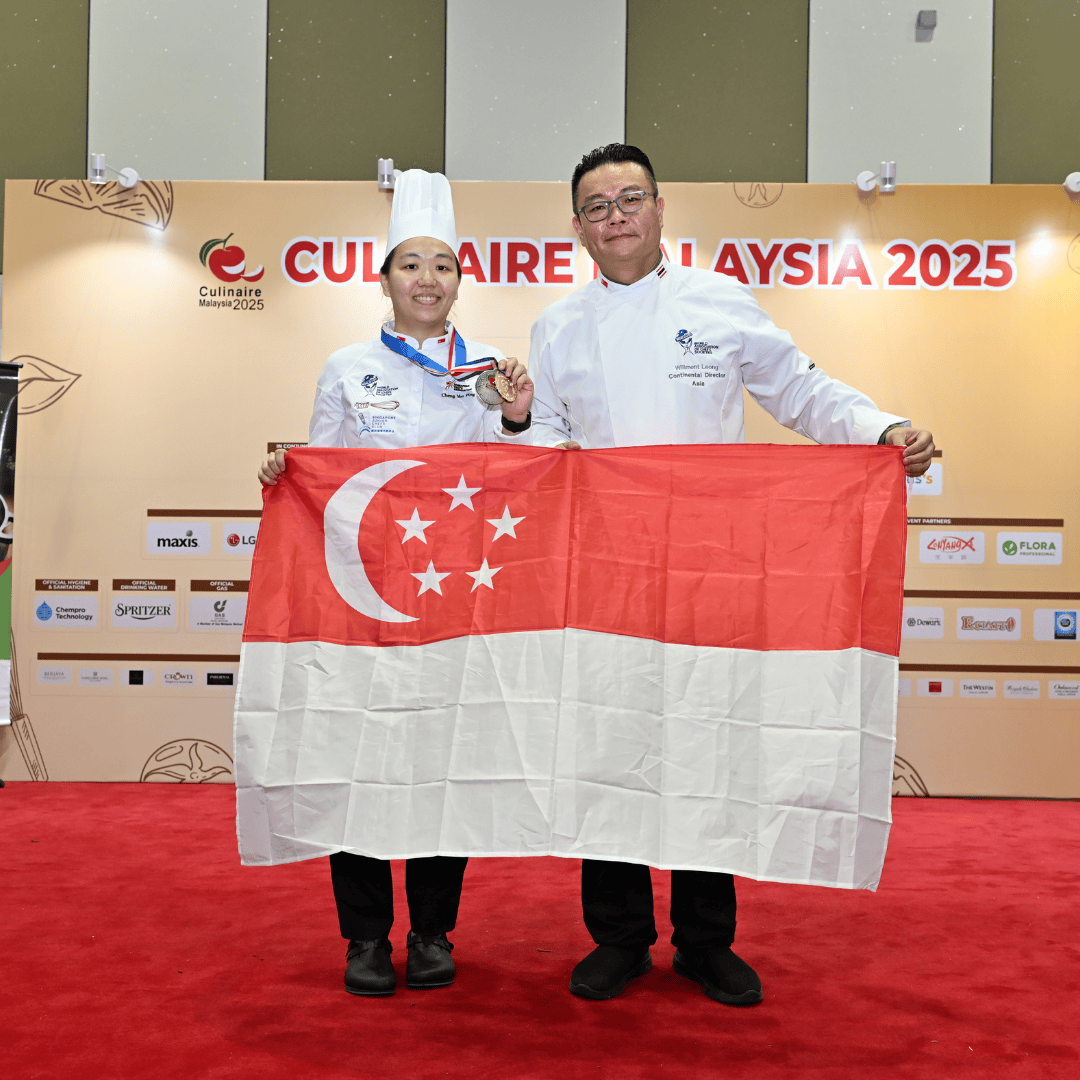
  • 1st Place: Cheng Yen Ping, Singapore

See the Global Pastry Chefs Challenge official results below:

CountryParticipant NameRank
SingaporeCheng Yen Ping1st Place
Hong KongYoyo Lee Lok Yin2nd Place
IndonesiaAnnisaa Krisanthy 3rd Place
1st Place: Yi-Hsuan Hung, Taiwan
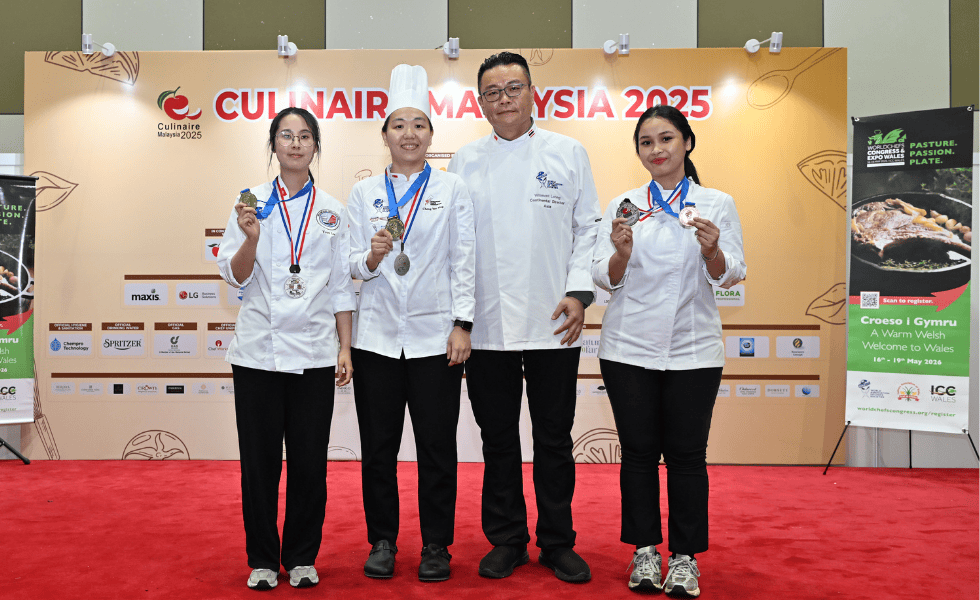
Pictured left to right: Yoyo Lee, Cheng Yen Ping, Willment Leong, and Annisaa Krisanthy
Global Vegan Chefs Challenge Final Qualifying Team
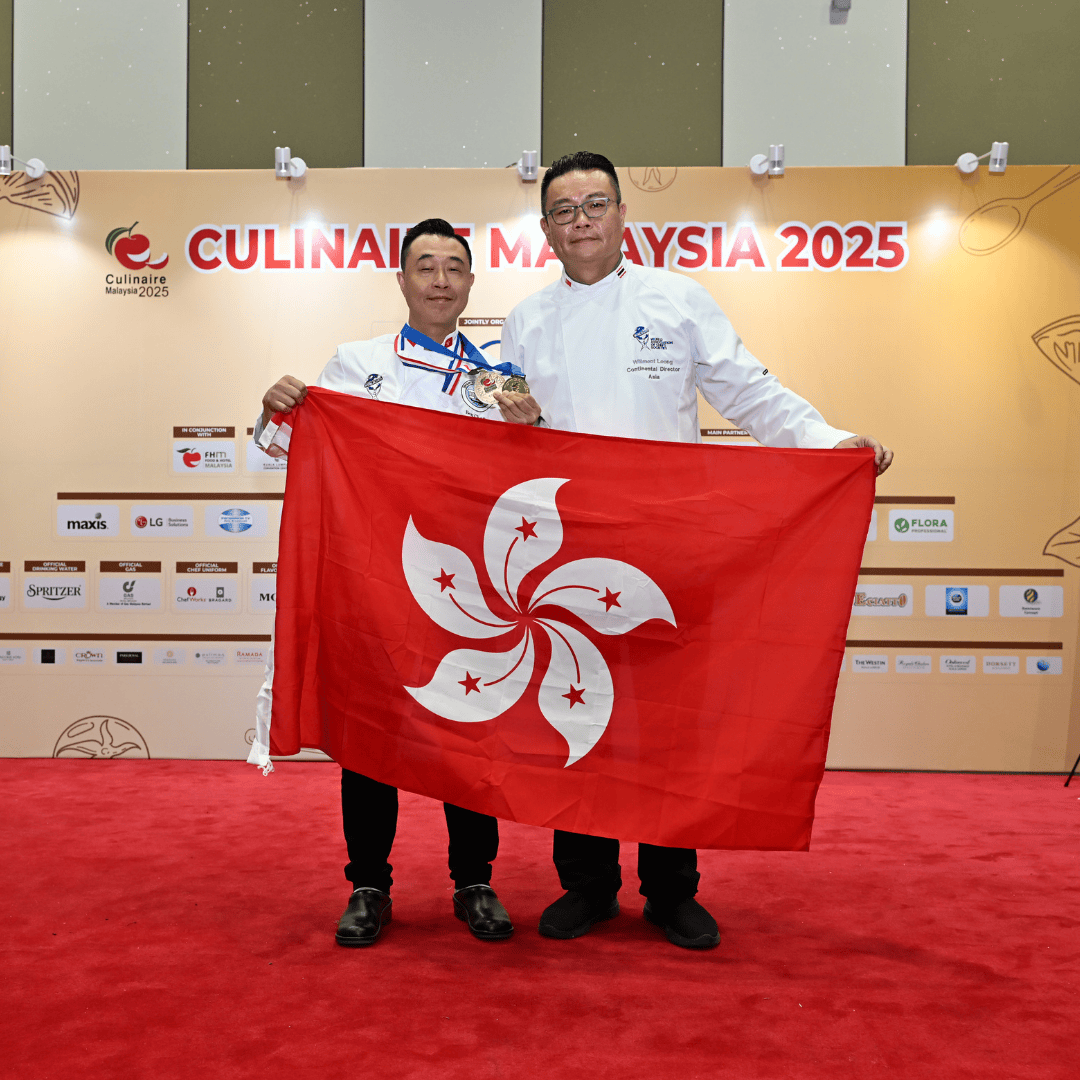
  • 1st Place: Ben Chan Chi Bun, Hong Kong

See the Global Vegan Chefs Challenge official results below:

CountryParticipant NameRank
Hong KongBen Chan Chi Bun1st Place
IndonesiaRaymond Permana2nd Place
MalaysiaAhmad Afzai Bin Abdul Razak3rd Place
1st Place: Ben Chan Chi Bun, Hong Kong
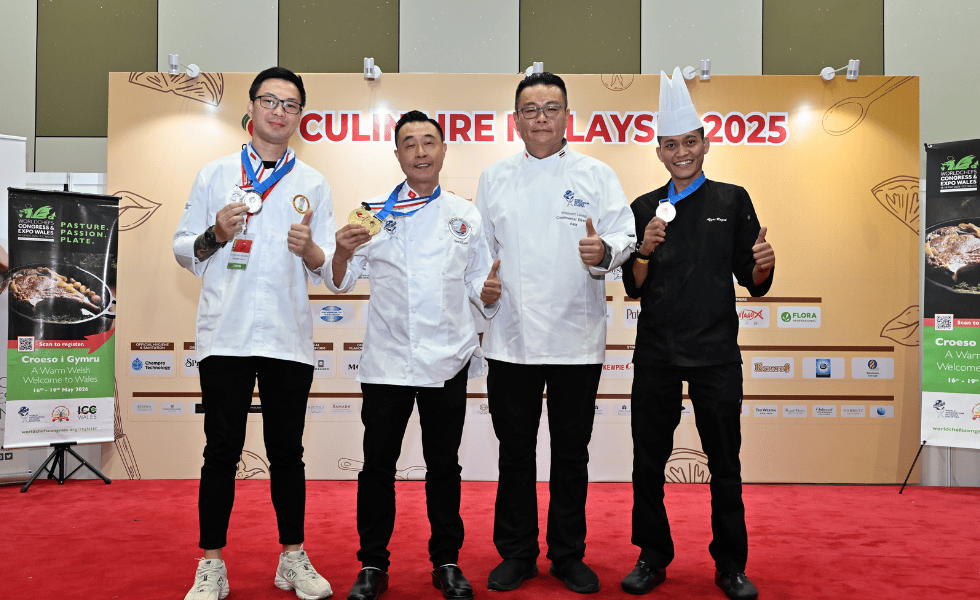
Pictured left to right: Raymond Permana, Ben Chan Chi Bun, Willment Leong, and Ahmad Afzai Bin Abdul Razak
Nestlé Professional Green Spatula Award

At the Global Chefs Challenge Asia Regional Semi-Finals, the Nestlé Professional Green Spatula Award was presented across 2 competition categories: Global Chefs and Global Young Chefs. This distinguished honor celebrates the fusion of culinary excellence with a deep commitment to sustainability, recognizing chefs who excel in both creating world-class dishes and adopting environmentally responsible practices in their kitchens. The recipients are as follows:

  • Stanton Wong Hau Zhe (Singapore) for the Global Chef Challenge
  • Oscar Yeung Cham Sum (Hong Kong) for the Global Chefs Challenge
  • Yi-Hsuan Hung (Taiwan) for the Global Young Chefs Challenge

The Nestlé Professional Green Spatula Award was awarded for the first time during the Global Chefs Challenge Finals 2024 in Singapore, and will continue to recognize chefs’ sustainable efforts in future culinary competitions, notably the Global Chefs Challenge Finals in Wales 2026.
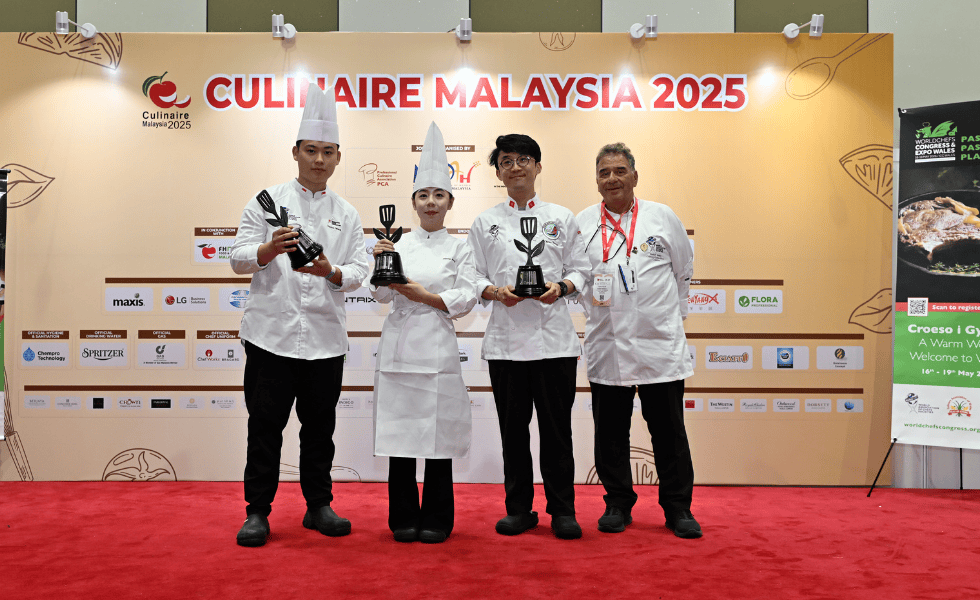
Pictured from left to right: Stanton Wong Hau Zhe, Yi-Hsuan Hung, Oscar Yeung Cham Sum and Rudolf Muller
Anchor Food Professionals Special Recognitions

Anchor Food Professionals also presented awards for outstanding achievements in the pastry category:

  • Best Pastry Chef – Cheng Yen Ping, Singapore
  • Best Dessert – Cheng Yen Ping, Singapore
  • Best Gateaux – Yoyo Lee, Hong Kong
Look Back on the Action

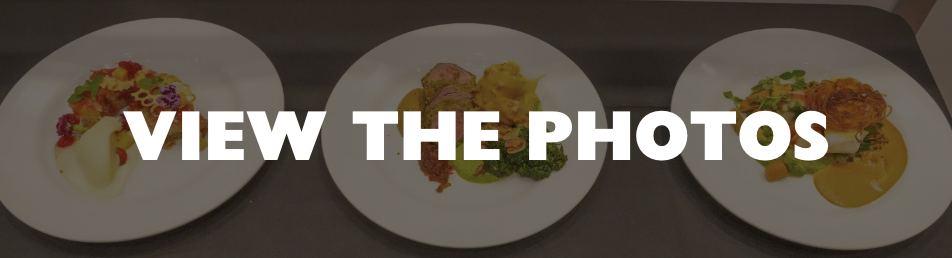
Relive the experience as if you were there! Click here or on the image below to view the photos.
Thank You to Our Sponsors

We’d like to extend a thank you to our sponsors for helping bring this competition to life. Your support helps us empower chefs around the globe and fuels the future of global culinary innovation. We’re grateful and excited for our continued collaboration.

Thank you Nestlé Professional, Electrolux Professional, Dilmah TeaFonterra, Koppert Cress, Sterling Halibut and Norweigan King Prawns.

The Next Steps: On the Road to the Global Chefs Challenge Finals 2026

Discover the results from all of the semi-final competitions that took place in 2025.

Global Chefs Challenge Finals at Worldchefs Congress & Expo 2026

Worldchefs Congress & Expo is a hallmark tradition of Worldchefs, and has been organized in cities around the world throughout its illustrious 98-year history. The forum brings together delegates from across the five continents to network and expand their professional bonds. The unique program delivers presentations and workshops from leading experts in the hospitality industry, impactful educational programs including the Worldchefs Educators’ Forum, specialized events designed to uplift the next generation of chefs such as the Bill Gallagher Young Chefs Forum, an international trade exhibition, the Global Chefs Challenge competition, and diverse activities to enhance both personal and professional networks.

The 2026 Worldchefs Congress & Expo and Global Chefs Challenge Finals will be held in Wales, hosted by the Culinary Association of Wales.

Visit www.worldchefscongress.org for more information.

– END –


About Worldchefs

The World Association of Chefs’ Societies, known as Worldchefs, is a federation made up of 110 national chef associations. A leading voice in the hospitality industry, Worldchefs carries years of history since its founding in 1928 at the Sorbonne by the venerable Auguste Escoffier.

Representing a mobilized international membership of culinary professionals, Worldchefs is committed to advancing the profession and leveraging the influence of the chef jacket for the betterment of the industry and humanity at large.

Worldchefs is dedicated to raising culinary standards and social awareness through these core focus areas:

Humanitarianism & Sustainability – Worldchefs Feed the Planet and World Chefs Without Borders programs relieve food poverty, deliver crisis support, and promote sustainability across the globe.

Education – Worldchefs offers support for education and professional development through the Worldchefs Academy online training program, a diverse network of Worldchefs Education Partners and curriculum, and the world’s first Global Culinary Certification recognizing on-the-job skills in hospitality;

Networking – Worldchefs connects culinary professionals around the world and provides a gateway for industry networking opportunities through endorsed events and the biennial Worldchefs Congress & Expo;

Competition – Worldchefs sets global standards for competition rules, provides Competition Seminars and assurance of Worldchefs Certified Judges, and operates the prestigious Global Chefs Challenge.
Categories
Cultural & Heritage Recipes

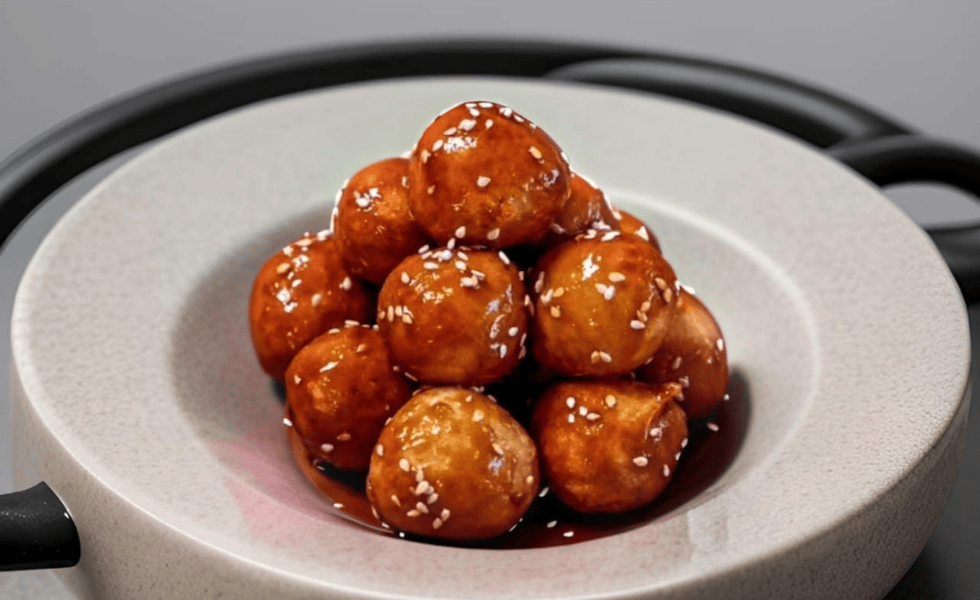
Luqaimat

See below for recipe

Luqaimat is a cherished Emirati dessert that has been enjoyed for many generations.

Luqaimat – Recipe

Adapted by Atim suyatim

Yields 20 servings

Ingredients
  • Sugar, 50 gm
  • Yeast, 8 gm
  • Rice flour, 20 gm
  • Corn flour, 100 gm
  • Cardamon powder, 5 gm
  • Salt, 7 gm
  • Flour No. 1, 1200 gm
  • Rose water, 25 gm
  • Yogurt, 20 gm
  • Water, 1000 gm
  • Safron, 1 gm
  • Milk powder, 10 gm
Instructions
  1. In a bowl, mix all dry ingredients: flour, corn flour, sugar, yeast, salt, cardamom, saffron, and milk powder.
  2. Add yogurt, rose water, and water gradually.
  3. Mix into a smooth, sticky batter. Cover and rest for 45–60 minutes until doubled in size.
  4. Heat oil for frying.
  5. Drop small balls of batter into hot oil and fry until golden brown.
  6. Drain and drizzle with date syrup or sugar syrup before serving.

For more recipes, visit www.worldchefs.org/news.

Categories
Certification

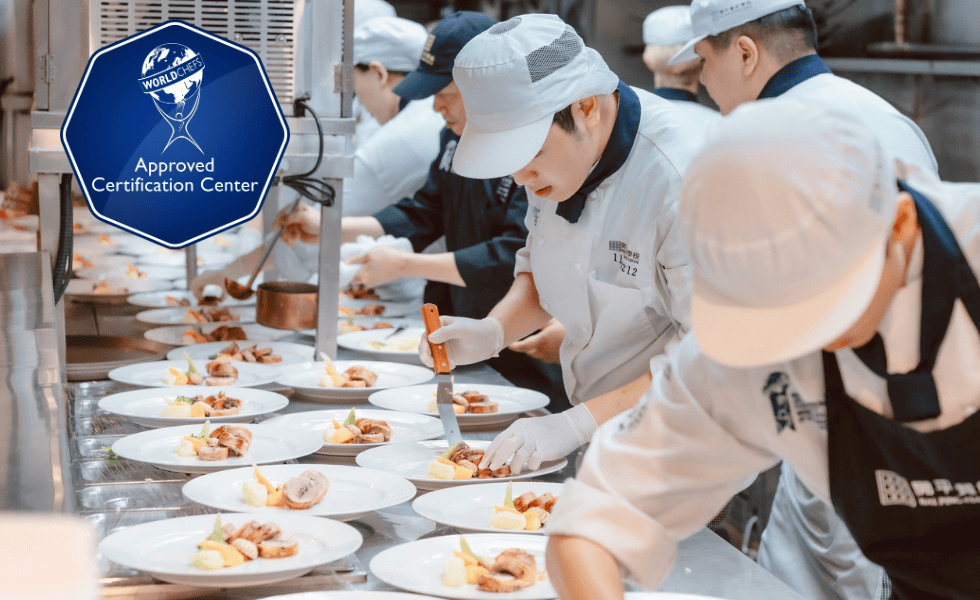
Bridging Local Excellence and Global Standards: A Decade of Certification

Worldchefs Global Culinary Certification, a prestigious skills recognition framework, provides chefs around the world with international recognition, benchmarking their skills and competencies so that they stand out in the competitive job market.

To reach all culinary sectors, including institutions and their students, Worldchefs created the label of Approved Certification Center. By becoming an Approved Certification Center, culinary institutions are able to fast-track the certification process for their students. In doing so, these schools gain a competitive advantage, demonstrating their learning program meets high industry standards and attracting top talent.

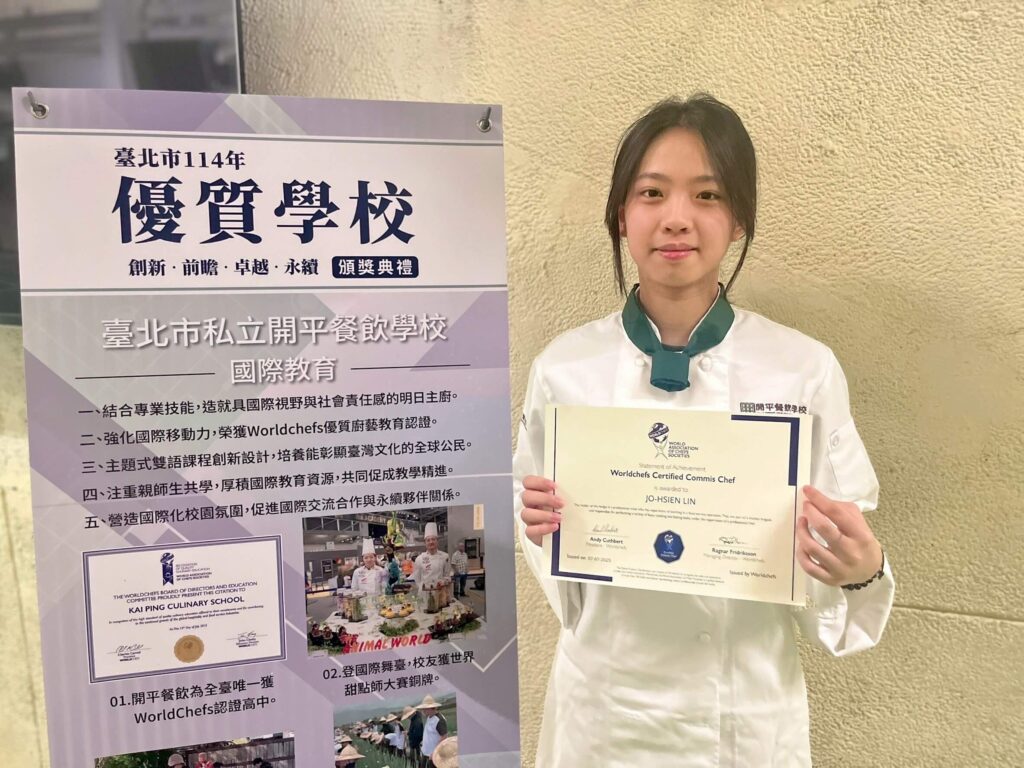
Worldchefs Approved Certification Centers are emerging in all corners of the world. In Taiwan, Kai Ping Culinary School has been an active Worldchefs Approved Certification Center for nearly a decade. Read on to hear from the school’s superintendent, Howard Hao-Chun Hsia, and discover how this label has impacted both the school and students’ journeys.

Can you tell us about your institution?

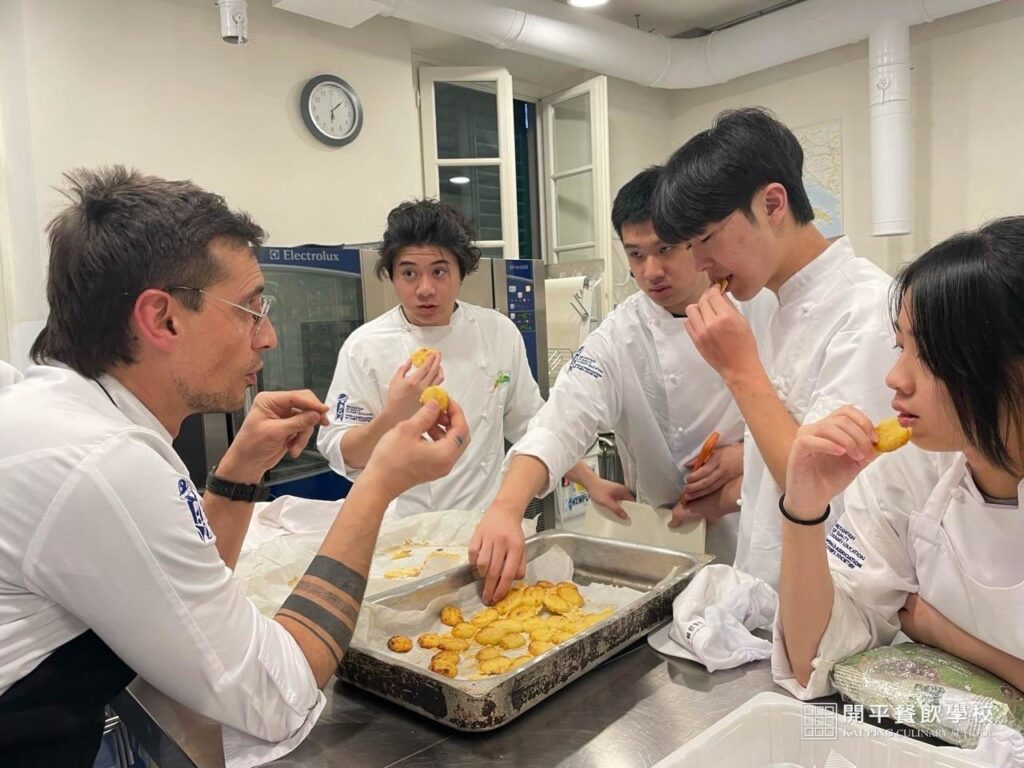
“Creating a delicious dish is not only about technique and artistry—it requires passion, attentiveness, and the creativity that emerges from experience. At Kai Ping Culinary School, our educational philosophy is built upon student-centric learning through thematic teaching, which inspires students’ enthusiasm for gastronomy.

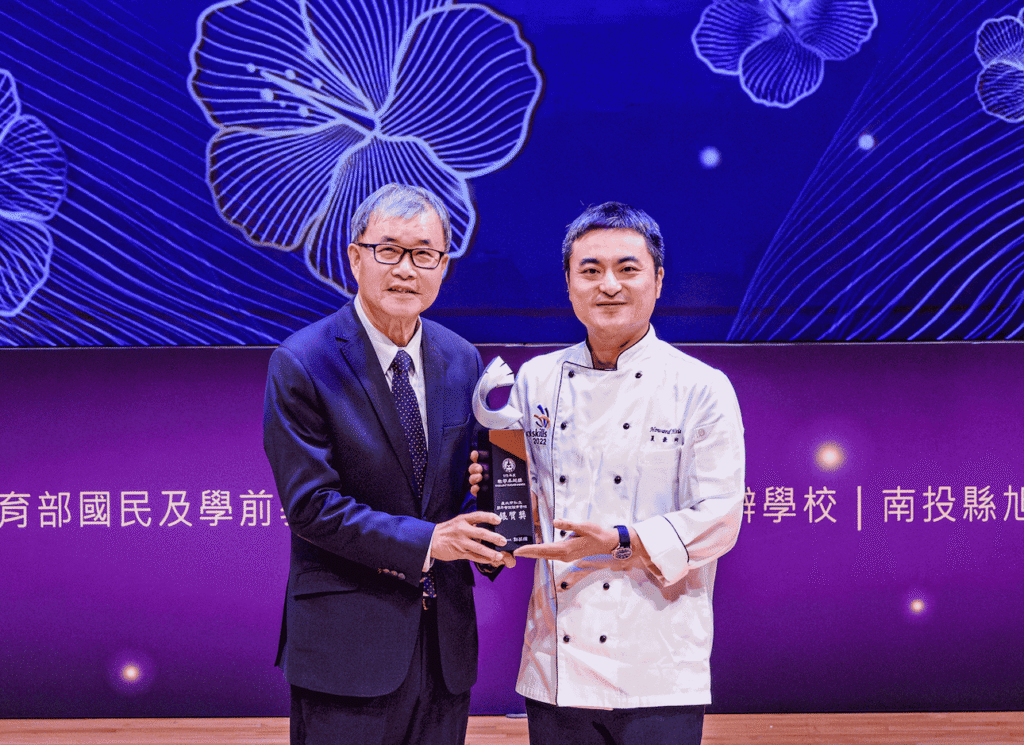
Howard Hao-Chun Hsia and Taiwan’s Minister of Education

We guide them to reflect, observe, and accumulate life experiences through both academics and daily life, shaping them into motivated lifelong learners. This unique approach empowers our 16 to 18 years of age vocational high school students to develop the competency to become skilled cooks, combining technical expertise with personal growth.

For more than three decades, Kai Ping has been at the forefront of culinary education in Taiwan, setting benchmarks in professional training while integrating sustainability, food and beverage management, and entrepreneurial thinking into our programs. Through this holistic approach, we cultivate technical excellence, GRIT and soft skills that enhances the adaptability and global outlook needed to thrive in the evolving food and hospitality industry.”

Why do you believe certification for your students is important?

“The mastery of skills requires constant practice, refinement, and with the right mindset and determination, ultimately lead to the expression of creativity. However, culinary standards vary across countries, and employers often rely on trial cooking to assess employability. A global standard in certification provides students with a reliable, internationally-recognized validation of their competencies.

Such certification not only helps them secure local opportunities with credibility but also enhances their global mobility by ensuring employers worldwide understand the level of their proficiency. It transforms subjective evaluations into measurable, trusted benchmarks.”

A global standard in certification provides students with a reliable, internationally-recognized validation of their competencies.

Howard Hao-Chun Hsia
What was the fast-track certification process like as an Approved Certification Center?

“Receiving the Worldchefs Education Recognition validated Kai Ping’s program alignment with global standards in curriculum design. The fast-track certification process enabled our graduates to translate their years of training into tangible proof of competency and professional proficiency.

We were highly satisfied with the process, as it not only confirmed the credibility of our students’ achievements but also enhanced their readiness for both global and local employability. Most importantly, it provided them with stronger international mobility, bridging their education with career opportunities worldwide.”

What do you think this certification does for your school and its reputation?

“Culinary schools worldwide adopt diverse teaching philosophies and training models. By obtaining Education Recognition and offering certification to our students, Kai Ping has strengthened both student’s employability and institutional standing on the global stage. This recognition facilitates deeper academic exchange, including student mobility programs, credit transfer opportunities, and professional collaboration across borders.

It also elevates our faculty and institutional profile, fostering international dialogue on both pedagogical innovation and technical expertise. In essence, certification positions Kai Ping as a bridge between local excellence and global standards.”

How do you think this certification will accelerate your students’ careers moving forward?

“Graduating with certification ensures that our students are immediately recognized as qualified professionals under international standards. This credential not only accelerates their entry into the workforce but also opens doors to global opportunities, from fine dining establishments to international hospitality groups.

Moreover, certification can support professional pathways such as skilled migration, advanced studies, or specialized training, offering graduates more options for their future. For our students, this is a milestone and a launchpad toward impactful and sustainable careers in the culinary field.”

Join a Global Network of Education Partners

By becoming a Worldchefs Approved Certification Center, you can:

  • Showcase that your training program meets industry standards
  • Promote your institution’s dedication to professional excellence to attract talents
  • Give your students access to fast-track certification
  • Provide students with digital badges to help increase their employability

Are you ready to join our education partners, encompassing over 50,000 hospitality educators, students and alumni?

To learn more, tune in to our recent webinar featuring Worldchefs Education Committee Chair, Andreas Muller, and Worldchefs Managing Director, Ragnar Fridriksson.

To apply, visit https://wc.staging.worldchefs.org/global-culinary-certification/.

Categories
Industry Trends

Seasons Change, So Should Your Menu: How to Not Waste the Opportunity for Seasonality

Here at Worldchefs’ Paris headquarters, we’ve just celebrated the autumn equinox. In the northern hemisphere, it’s the start of fall. South of the equator, it marks the welcoming of spring. But no matter where you are, the change in seasons means new opportunities in the kitchen.

This is the time of year when we celebrate the shifts in seasons and get those exciting dishes that can only exist for a few weeks a year. It’s when we get the “last-ofs”, the “I’ve been waiting fors” and the “I look forward to all years”.

It’s also an especially important time to improve the adaptability of your kitchen, reduce waste and food loss, and build stronger relationships with local food producers. By celebrating what’s in season, we can end up with less in the bin, help farmers move what’s in abundance, and grow demand for speciality produce.

Here are a few things to think about to seize the opportunity, waste less, and celebrate seasonality in your kitchen, whether you’re moving into fall or spring.

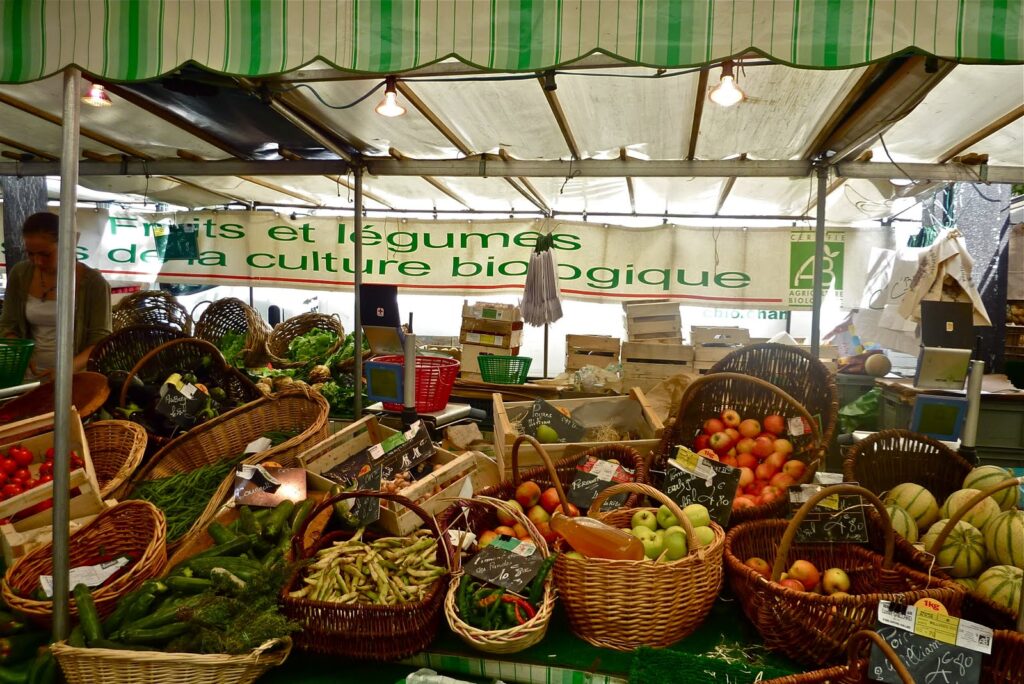
local seasonal farmers market
Northern Hemisphere
FOOD PRESERVATION

Build your skills with food preservation and hone new techniques to extend the life of seasonal ingredients into the colder months. Flavors and textures can be transformed by pickling, canning, fermenting and drying. Beyond just giving you more to play with in the winter season, the craft of food preservation is another way to highlight the versatility of locally available ingredients.

ASK YOUR PRODUCER

Ask your producer: what do you have in abundance? Think wider than your kitchen to help ensure that local farmers don’t have food loss. Making the most of their surplus means less waste and usually lower cost, too. Plus, it’ll help you build stronger relationships with your suppliers. Over time, this can help you to gain an edge with early notice of seasonal availability and know that you’re part of the local food community.

CREATE A SEASONAL SPECIALITY

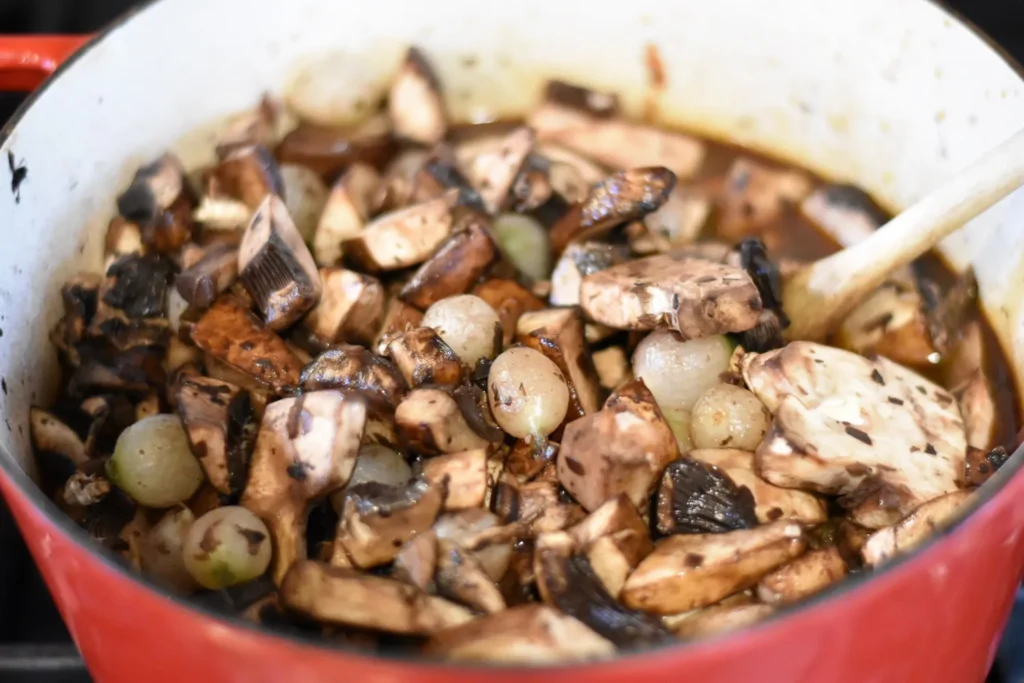
Create a seasonal special that keeps customers coming back each year. When your menu shifts with the seasons, you can offer consistency and comfort with some added anticipation. Think fungi, short-season fruits like quince and sea buckthorn, fresh nuts like chestnuts or green walnuts, and specialty greens like puntarelle. Need inspiration? Go to your local farmers’ market!

Southern Hemisphere
FORECAST FLAVORS

Familiarize yourself with the harvest schedule in your area. Start thinking about how your menu can feature seasonal ingredients throughout the upcoming months. Growing your awareness of what’s in season helps you to plan menus that are more cost-effective and allows you to work with your suppliers to secure quality ingredients, season after season. It also gives you more time to get creative with recipe ideas and ways to use every part of what you buy.

By appreciating seasonality and planning ahead, your menu can reconnect you, your staff, and your customers with where ingredients come from and how valuable they are.

THINK DIFFERENTLY ABOUT OFFCUTS

Think differently about offcuts. Everything that comes into your kitchen has value. From pestos to stocks to colored powders, think about how you can creatively utilize the whole ingredient.

Don’t forget your beverage program. Not only can coordinated efforts between back of house and the bar help to set your restaurant apart, but they can also extend the possibilities for ingredients. For springtime’s bounty of berries and stone fruits, often easy bruised, work with your beverage manager to create cocktail pairings. Try seasonal specials in collaboration with the kitchen, like infused simple syrups, shrubs, bramble purees, etc.

LEAN INTO SHORT SEASON SPOTLIGHTS

Lean into short-season spotlights. Ask your supplier ahead of time about specialty produce like asparagus, artichokes, and stone fruits. Or even early varieties of favorites you can get all year, like spring-only mangoes. You’ll secure unique flavors while also supporting local farmers to move precious volume quickly.

In-Season Inspiration

Tag us in your next dish or recipe @worldchefs #ThisIsWorldchefs


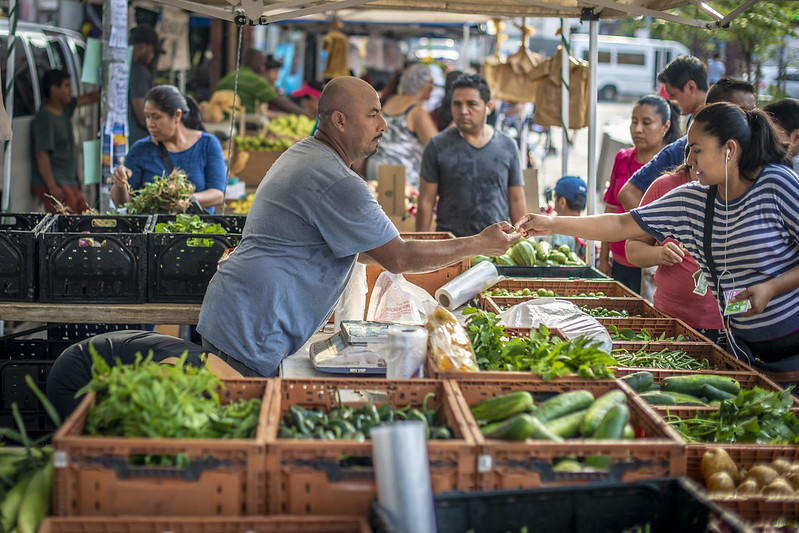
Cover photo: Martin Rodriguez sells his vegetables at the Corona Farmers Market in Queens, New York, one of the most dynamic and diverse farmers markets in the city. USDA Photo by Preston Keres

Categories
Partnership

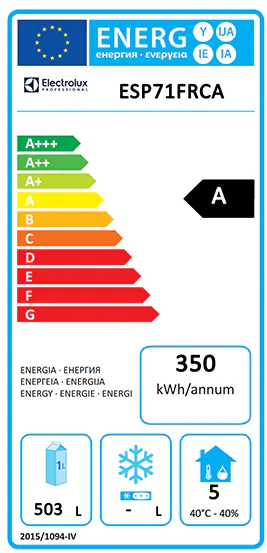
How to Read Commercial Refrigerator Energy Labels? 

The EU energy label for commercial refrigeration devices displays all the necessary information catering professionals need to determine the product’s energy efficiency. 

In addition to the product reference and manufacturer details, the label includes: 

  • Energy class
  • Annual energy consumption 
  • Net storage capacity 
  • Climate class 

A notable difference between domestic and commercial refrigeration appliances is that domestic energy labels detail noise levels (dB). It’s important to note that a domestic appliance should never be used in a professional environment, as doing so can void the warranty, increase running costs, and elevate the likelihood of product failure. 

Energy Classes for Electrical Appliances 

The energy class serves as the overarching indicator of an appliance’s energy efficiency. Under the EU energy label, commercial refrigeration units are rated from A+++ to G, based on their Minimum Energy Performance Standards (MEPS). A+++ denotes the most efficient, while G indicates the least. 

In 2025, many businesses aim for appliances rated A+ or higher to align with corporate sustainability goals and reduce their carbon footprint. 

Annual Energy Consumption (kWh/annum) 

The EU energy label clearly states the unit’s expected annual energy consumption. This data helps operators calculate projected running costs by multiplying the kWh by the unit cost. 

Modern appliances often feature smart defrost cycles or inverter compressors, further reducing energy consumption. 

Storage Capacity 

Another critical metric on the EU energy label is the maximum capacity—or net volume (L)—of the appliance. Overloading a commercial refrigerator can hinder airflow around stored produce, potentially causing it to spoil prematurely. Therefore, operators must ensure they invest in commercial refrigeration with sufficient capacity to store contents safely and efficiently. 

Electrolux Professional’s ecostore refrigerated cabinets and freezers, for instance, offer an average of 50 liters more capacity than other models with a comparable footprint, thanks to their innovative design and the positioning of the refrigeration unit. 

Climate Class 

The final key piece of information displayed on the EU energy label for commercial refrigeration is the Climate Class. This determines the product’s capability to preserve food under various working conditions. Given that professional kitchens can often reach high ambient operating temperatures, any commercial refrigeration units purchased should be built to either: 

  • Climate Class 4 (‘light duty’: 30°C / 55% humidity) 
  • Climate Class 5 (‘heavy duty’: 40°C / 40% humidity) 

These classifications ensure the appliance maintains optimal performance levels in demanding environments.

Conclusion 

The EU energy label remains an essential tool for catering professionals making informed choices when purchasing commercial refrigeration. Given that refrigeration units typically operate 24/7, selecting the right unit can minimize running costs and contribute to a profitable and sustainable catering operation.  

By understanding and utilizing the energy label, businesses can enhance their operational efficiency and support environmental sustainability goals. 

Categories
Worldchefs Congress & Expo

Why Wales: A Worldclass Destination Set to Host Worldchefs Congress & Expo 2026

Tastemakers Choice: South Wales

Every two years, Worldchefs’ member associations gather in cities around the globe to chart the future of food and drink at Worldchefs Congress. Together, leadership from culinary associations representing 110 countries come together to vote on key industry issues, including the location of upcoming Congresses.

Tastemakers from every continent decide on a location to host the leading event for the world’s culinary community, choosing from top destinations. And for 2026, they chose South Wales.

Why? With its rich culinary heritage and warm hospitality, a landscape of rugged coastlines and castles, and ancient traditions coupled with innovative solutions inspiring the future of food, let’s discover everything Wales has to offer.

Hwyl: Only in Wales

The Welsh word hwyl (pronounced ‘hoo-eel’) has no direct English, but it means a deep state of joy from being present in the moment.

Hywl is deeply rooted in Welsh culture. It can come from the adrenaline rush of a cold plunge or from a quiet retreat to rest, in a busy pub with friends or looking out at Roman ruins.

When you come for Worldchefs Congress 2026, experience hywl for yourself. Here are a few of our favorite ways to make the most of your time in Wales.

Ziplining in South Wales
City Standouts

With the 2026 Congress hosted in Newport, South Wales, you’ve got a strong starting point for your Welsh adventure. A small city that packs a big punch, Newport offers a lively cultural scene, rich history, and easy access to natural and cultural wonders across South Wales.

Start at the heartbeat of the city center, Newport Market, a traditional covered market where you’ll meet food & drink traders, sample Welsh classics under one roof, and find shopping stalls with something for everyone.

Wander through the walkable city center to admire public art installations, or for more art, head to the Newport Museum and Art Gallery, home to an incredible collection of classic and contemporary art, or the Riverfront Arts Centre on the River Usk for concerts and exhibitions.

For a spot of tea, make a trip to Tredegar House, one of the British Isle’s most significant late 17th-century houses, situated on 90 acres of beautiful gardens.

A quick coastal ride and you can explore Cardiff, too. Wales’ capital city is a place where old meets young, full of culture and heritage, from museumsplaces to catch a show or a gig, boutique shopping in Victorian arcades, and even Cardiff Castle, right in the center of the city.

Newport Market South Wales
Newport Market
Castle Craft

South Wales is spotted with castles, all just a short drive, tour, or bike ride away. Whether you’re in it for thousands of years of history, a look at elaborate artistry, or just an epic photoshoot, choose from over 30 castles to add to your itinerary.

Caerphilly Castle, the largest castle in Wales, has just reopened after two years of extensive conservation and refurbishment, featuring state-of-the-art digital exhibits to bring history to life. Caldicot Castle is rumored to be haunted, but it’s also one of the best places to view the Severn estuary, with 55 acres of gardens and country park.

Or if you’re looking for something to sweeten the deal, enjoy a history lesson and a tipple at the craft spirit distillery in Hensol Castle, where you can enjoy a G&T on arrival.

Caerphilly Castle South Wales
Caerphilly Castle
Nature NEXT DOOR

In South Wales, nature is never far away. Wander hiking trails for all levels, from forest to coast.

Newport Wetlands Nature Reserve has stunning nature walks and birdwatching, plus a café. If you’re looking for more coastal paths, the South Wales Coast and Severn Estuary path gives you 109 miles of incredible views through quiet fishing villages and nature reserves.

You can even find beachside saunas, and finish your walk with a wood-fired sauna after a cold dip.

If you want to combine the outing with history, check out the Celtic Trails – Three Castles Walk. If you like more structured gardens, there’s plenty to discover in South Wales, too. And for those looking for nature on the manicured grass of a luxury golf course, Celtic Manor Resort, is just a few minutes’ drive from Newport.

Newport Wetlands Nature Reserve South Wales
Newport Wetlands Nature Reserve
A FOODIE HAVEN

From Michelin stars to hidden gems, Wales’ food scene gives you a taste of the Welsh landscape and waters. There is so much to dig into, starting with local traditions of Welsh cheese, ales, cakes, and cawl, a traditional Welsh stew.

With so much to try, stay tuned for recommendations from Wales’ top chefs.

Culinary Association of Wales
Pasture, Passion, Plate: Coming Together in Wales

When is the best time to visit Wales? May is one of the best months to visit, with warmer spring temperatures and more dry days, and without hordes of tourists. The countryside is blanketed in wildflowers, and the sea is welcoming enough for surfing, kayaking, and cold plunges.

In the middle of the month, combine work and play at with Worldchefs Congress 2026 in Newport. From 16 to 19 May 2026, celebrate ‘Pasture, Passion, Plate,’ with the beautiful backdrop of Welsh culture and country.

For a £200 discount, register by October 31 and enjoy early bird rates.

See you there, and cymru am byth (pronounced come-ree am-bith, meaning Wales Forever)!

Photos from Visit Wales.

Categories
GCC - Young Chefs Partnership

Worldchefs and the World Food Forum Collaborate on the Young Chefs Programme: Empowering Youth to Lead Sustainable Agrifood Systems Transformation

Worldchefs and the World Food Forum Collaborate on the Young Chefs Programme: Empowering Youth to Lead Sustainable Agrifood Systems Transformation

Paris, 22 September 2025 – The World Association of Chefs’ Societies (Worldchefs), the largest international body of professional chefs’ associations, is partnering with the World Food Forum (WFF) Youth Initiative—a youth-led platform hosted by the Food and Agricultural Organization of the United Nations (FAO)—on the WFF Young Chefs Programme (YCP). This joint effort aims to engage and empower young culinary professionals to drive positive change in transforming agrifood systems.

Launching in October 2025, the programme invites chefs aged 18 to 35 to develop skills, knowledge and networks needed to lead the transformation of agrifood systems through better culinary practices. From improving nutrition to promoting food security and biodiversity, the YCP aims to inspire young chefs to influence peers and consumers, driving positive change in global agrifood systems.

This collaboration strengthens the long-standing partnership between Worldchefs and WFF, reflecting Worldchefs’ century-long legacy and commitment to excellence, leadership and sustainability in the culinary arts.

Skill-Building for Impact

Through structured trainings, mentorships, peer-to-peer exchange, and ongoing guidance supported by Worldchefs, the selected cohort will grow their capacity to implement local initiatives that drive sustainable change.

Drawing on its international membership of chef associations, culinary education institutions, and industry leaders, Worldchefs will identify and engage chefs with expertise in sustainable agrifood systems, deliver virtual masterclasses on key agrifood system topics and provide mentorship to support young chefs in their projects.

world food forum young chefs programme worldchefs

“At Worldchefs, through Young Chefs Clubs, educational programs are built into everything we do. We have long believed in the importance of nurturing and developing the next generation of culinary professionals worldwide,” says Jasper Jek, Chair of Worldchefs’ Global Development of Young Chefs Committee. “We look forward to continuing our collaboration with the WFF on the Young Chefs Programme, and to seeing the impact of both the program and the young leaders themselves.”

For People and the Planet

Worldchefs’ partnership in the WFF Youth Initiative draws on its global network, industry expertise, and Feed the Planet initiatives, which include projects that empower communities to adopt better cooking and eating habits, support education and training, and inspire sustainable food consumption through resources, webcasts, recipes, and strategic communications.

“As a Canadian chef and chair of the Worldchefs Feed the Planet and Sustainability Committee, I feel truly privileged to see the incredible impact of Feed the Planet projects around the world,” says Shonah Chalmers. “It’s inspiring to witness how chefs are driving change within their communities. I’m especially excited to see the growing support and investment in our young chefs, ensuring they have the tools and guidance to shape a more sustainable future. We are thrilled to be a part of the YCP journey, offering mentorship and celebrating the achievements of this talented new generation.”

Working Hand-in-Hand

The collaboration between Worldchefs and WFF Youth Initiative demonstrates how diverse agrifood systems stakeholders can work Hand in Hand for Better Foods and a Better Future.

Past collaborations between Worldchefs and WFF include initiatives such as Sustainable Gastronomy Week, which mobilized young chefs to champion biodiversity, celebrate local food cultures, and promote sustainable sourcing. These campaigns highlighted the vital role of chefs as agents of change, reinforcing Worldchefs’ leadership in driving sustainability and innovation in the culinary profession.

world food forum young chefs programme worldchefs

The launch of the YCP marks the next step in a shared mission for a better food future. It equips the next generation of chefs with the tools, networks, and platform to shape sustainable agrifood systems. Together, Worldchefs and WFF Youth Initiative continue to inspire young leaders to harness the power of gastronomy as a force for positive transformation.

– END –

About WFF

The World Food Forum (WFF) is an open and inclusive global platform established by the Food and Agriculture Organization of the United Nations (FAO) in 2021 to drive the transformation of agrifood systems through the power of youth, science and innovation, and investment. It brings together stakeholders of all ages and sectors to turn ideas into action, scale solutions, and foster meaningful partnerships that accelerate progress toward the Sustainable Development Goals (SDGs). At the core of the WFF is the Global Youth Action Initiative, which harnesses the passion and ingenuity of young people to advance inclusive food governance, drive youth-led innovation and promote sustainable solutions. Through a diverse set of thematic programmes-covering policy engagement, innovation, cultural expression and grassroots action-the initiative empowers youth with the skills, resources and platforms they need to lead transformative change at local, national and global levels.

About Worldchefs

The World Association of Chefs’ Societies, known as Worldchefs, is a federation made up of 110 national chef associations. A leading voice in the hospitality industry, Worldchefs carries years of history since its founding in 1928 at the Sorbonne by the venerable Auguste Escoffier.

Representing a mobilized international membership of culinary professionals, Worldchefs is committed to advancing the profession and leveraging the influence of the chef jacket for the betterment of the industry and humanity at large.

Worldchefs is dedicated to raising culinary standards and social awareness through these core focus areas:

  • Education – Worldchefs offers support for education and professional development through the landmark Worldchefs Academy online training program, a diverse network of Worldchefs Education Partners and curriculum, and the world’s first Global Culinary Certification recognizing on-the-job skills in hospitality;
  • Networking – Worldchefs connects culinary professionals around the world through their online community platform and provides a gateway for industry networking opportunities through endorsed events and the biennial Worldchefs Congress & Expo;
  • Competition – Worldchefs sets global standards for competition rules, provides Competition Seminars and assurance of Worldchefs Certified Judges, and operates the prestigious Global Chefs Challenge;
  • Humanitarianism & Sustainability – Worldchefs Feed the Planet and World Chefs Without Borders programs relieve food poverty, deliver crisis support, and promote sustainability across the globe.

Visit www.worldchefs.org to learn more.

Media contact: 

Olivia Ruszczyk communications@worldchefs.org

Categories
Recipes

Sustainable Recipe Series: A Blossoming Future

See below for recipe

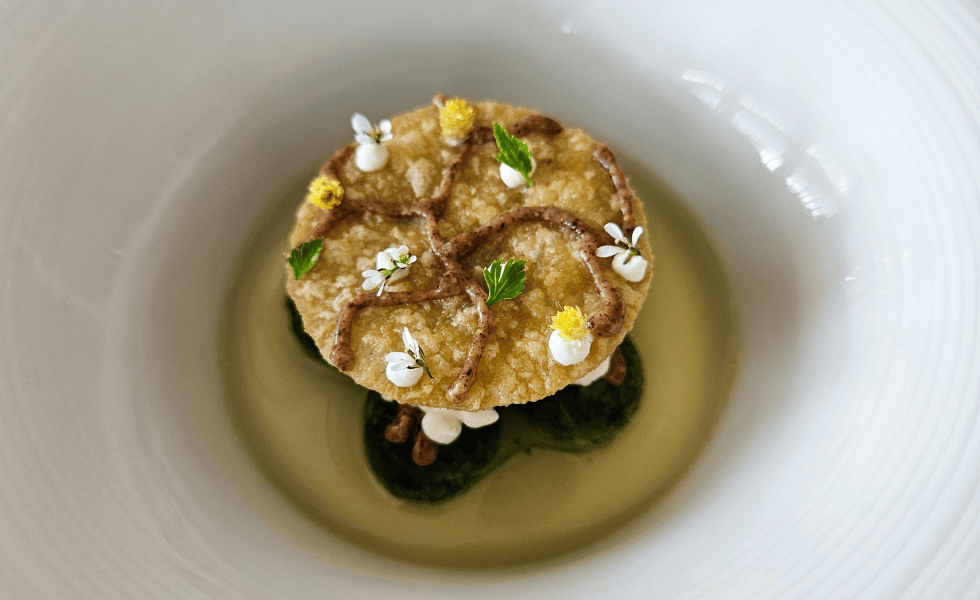
A Blossoming Future by Matteo Farsoni

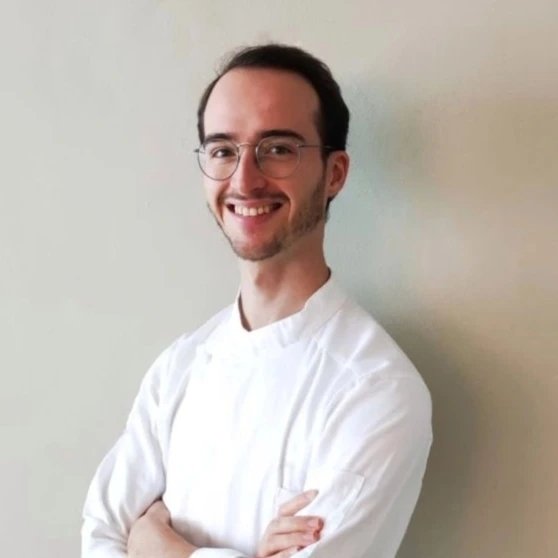
Chef Matteo Farsoni is an Italian gluten-free vegan pastry chef. With his recipe, A Blossoming Future, Matteo was named the winner of the 2024 LIFE Climate Smart Chefs award for “Best Sustainable Recipe”. The Jury decided to award Chef Farsoni because his recipes represent an excellent example of the practical application of the LIFE Climate Smart Chefs sustainable principles through the creation of dishes with low environmental impact that are the result of thought and experimentation, complete and balanced, interesting, creative and aesthetically pleasing, with particular attention to zero-waste and the reuse of all ingredients.

Discover his sustainable recipe below!

A Blossoming Future – Sustainable Recipe

BY MATTEO FARSONI
Ingredients
  • 40g pasta
  • 50g spinach
  • 35g stale bread
  • salt
  • 10g olive oil
  • 45g water
  • 10g wheat flour
  • helichrysum
  • breadcrumbs
  • ricotta sauce
  • walnut paste
  • optional: herbs and flowers
Instructions
  1. Boil leftover pasta, remove from water. Then, put spinach in the same water and stir it for a few seconds before immediately transferring it to cold water.
  2. Put 40g pasta, 50g dried spinach, 10g stale bread, a pinch of salt and some olive oil in a mixer. Blend until smooth.
  3. For the white tuile, place 25g stale bread, 45g water, 10g of wheat flour, and 5g olive oil in a blender. Blend, and roll the mixture out on a baking mat. Cook it for a few minutes, then cut out disks.
  4. Next, place some helichrysum in a bowl and pour hot water over it. Let it infuse for at least 10 minutes.
  5. Take the pasta and spinach dough, cover it in breadcrumbs and roll it out into a thin log. Cut it into small pieces and shape them into small balls with your hands to get your gnocchi pasta.
  6. Place the gnocchi in boiling water. When they float to the surface, they are ready.
  7. Place the gnocchi in your plate and start piping ricotta sauce and walnut paste on top to add creaminess to the dish.
  8. Then, pipe more walnut paste on the white tuile to decorate. Add a few dollaps of ricotta sauce and add some herbs and flowers to make it look aesthetically appealing.
  9. Now, gently place the white tuile on top of the gnocchi and finish the dish by pouring the helichrysum infusion you made earlier. Enjoy!

For more recipes, visit www.worldchefs.org/news.

Categories
Member News

A Culinary Celebration at the Largest Food Festival in Poland

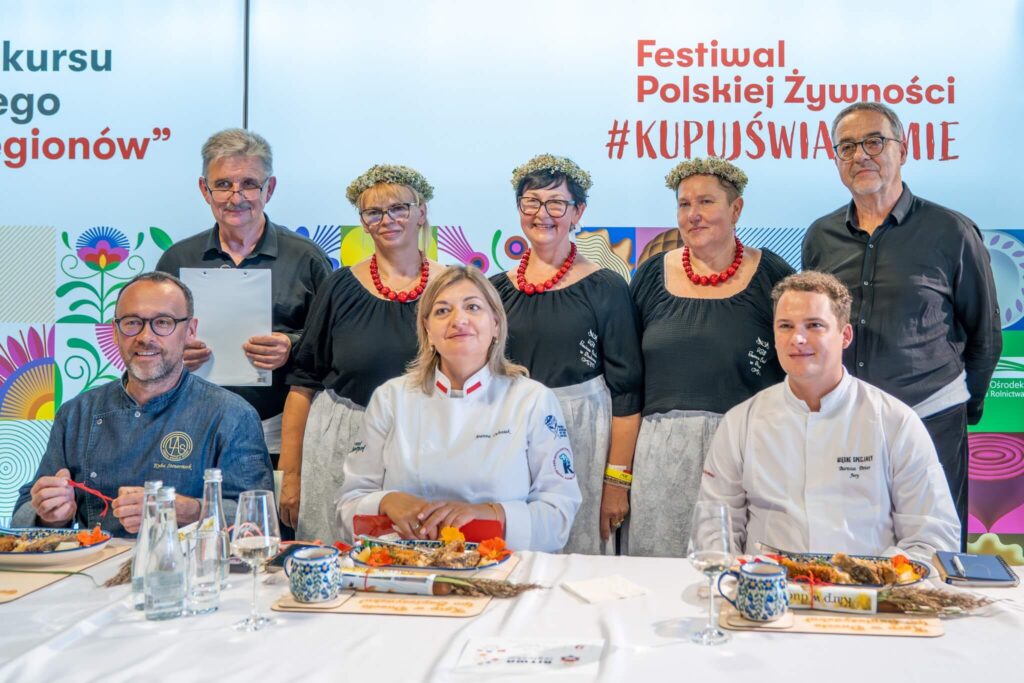
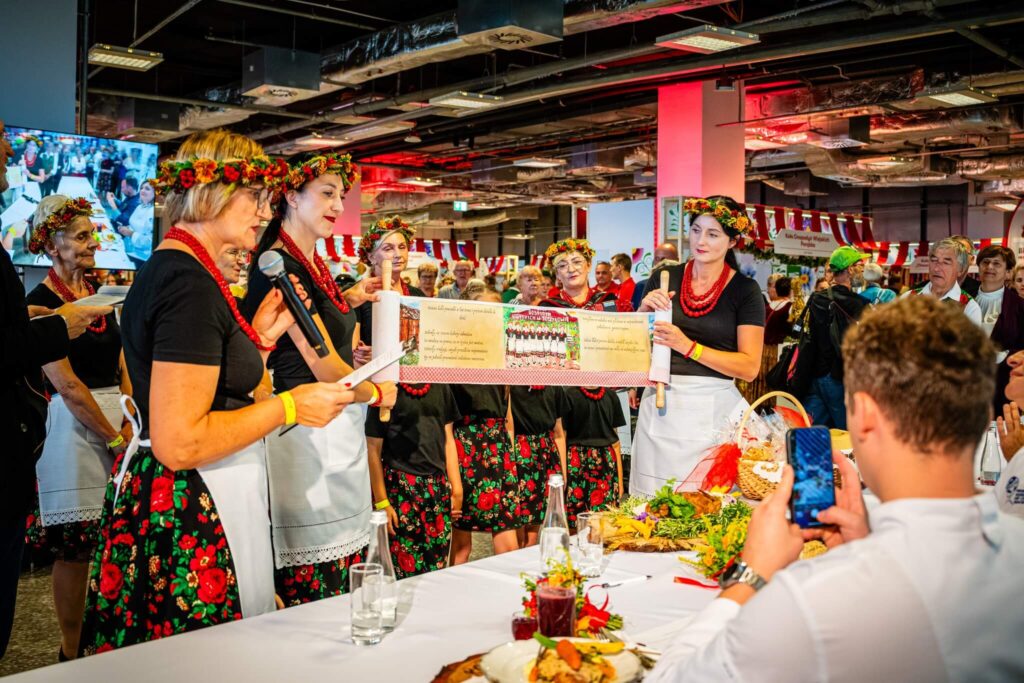
On September 6-7, the 3rd Festival of Polish Food #BuyConsciously took place at the PGE Narodowy Stadium in Warsaw, making for a spectacular showcase of Polish culinary heritage.

The National Support Centre for Agriculture (KOWR) organized the festival under the patronage of the Ministry of Agriculture and Rural Development of Poland. The event brought together passionate producers, chefs, culinary experts, and food lovers, all under one roof.

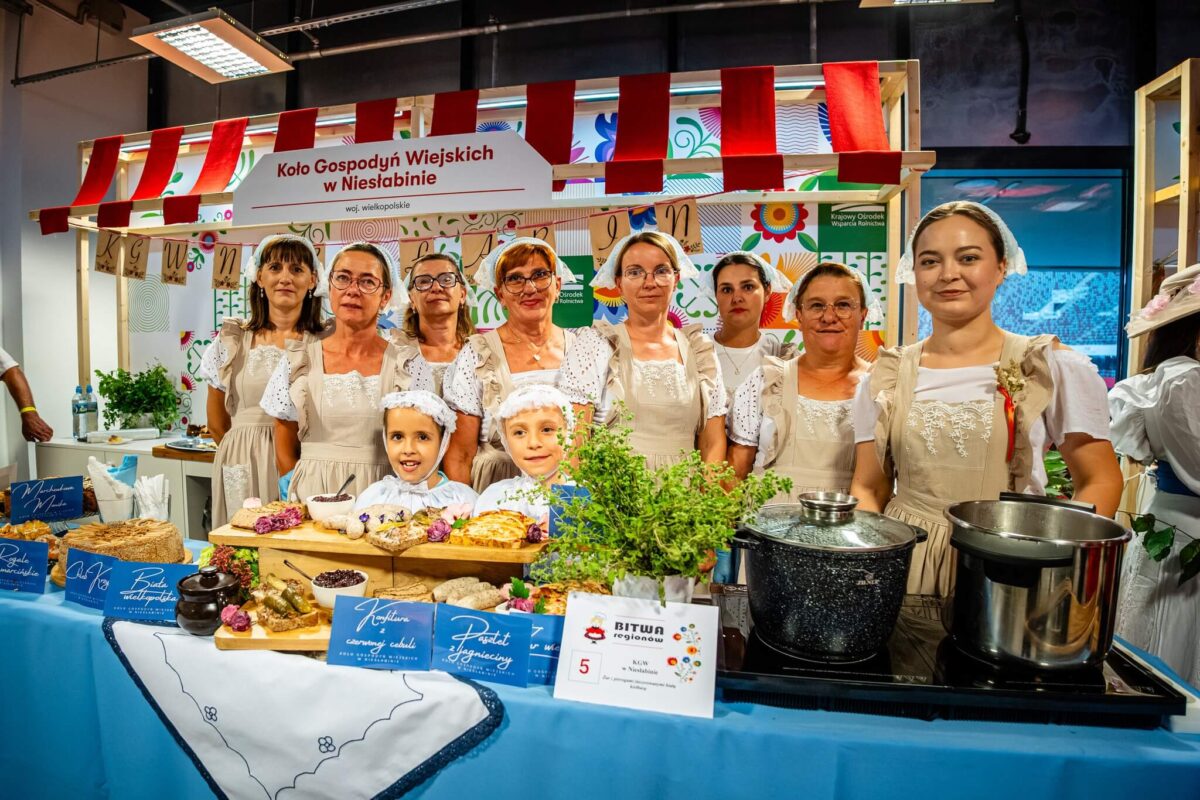
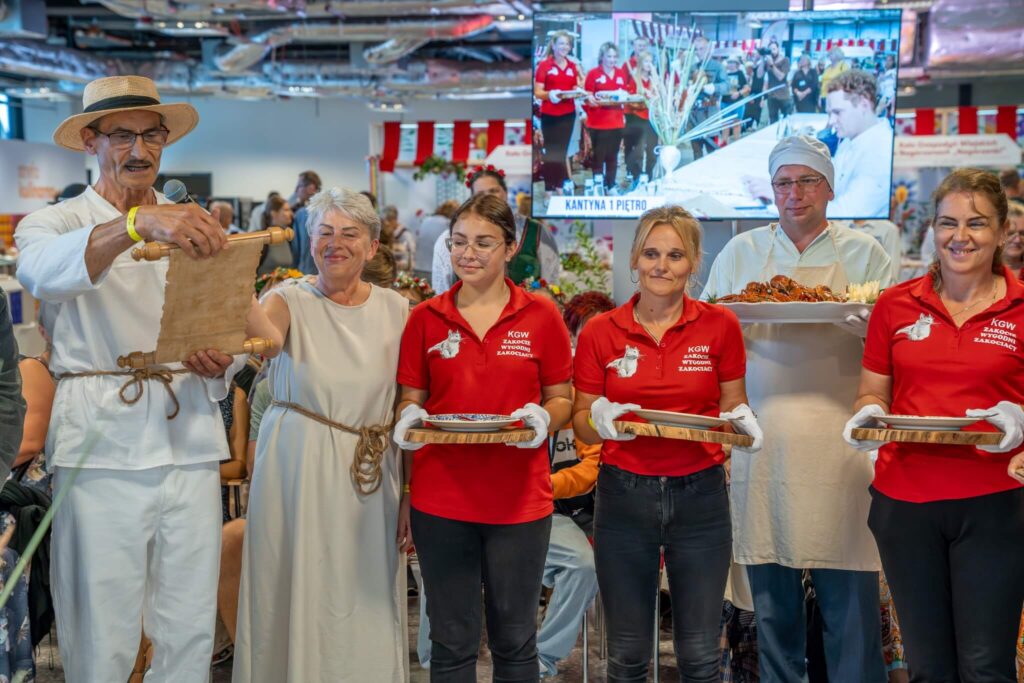
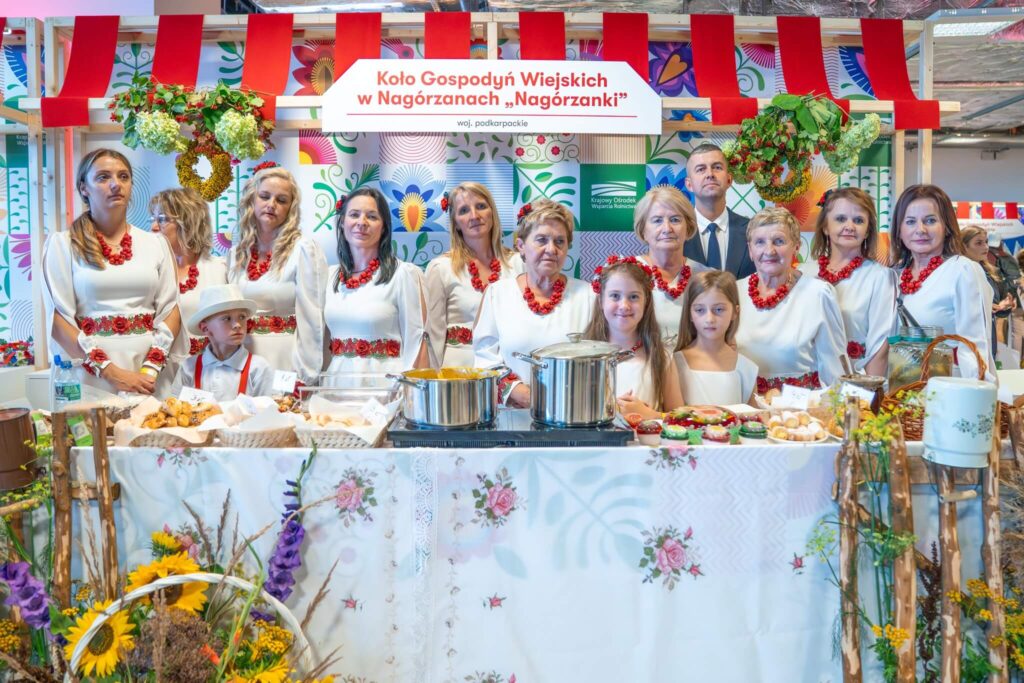
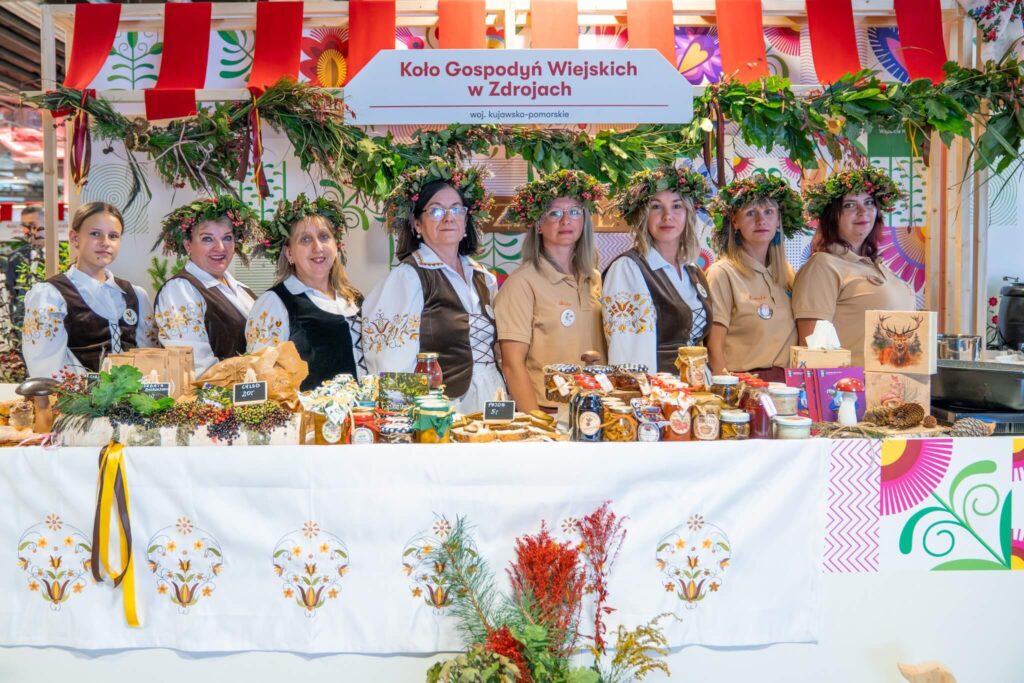
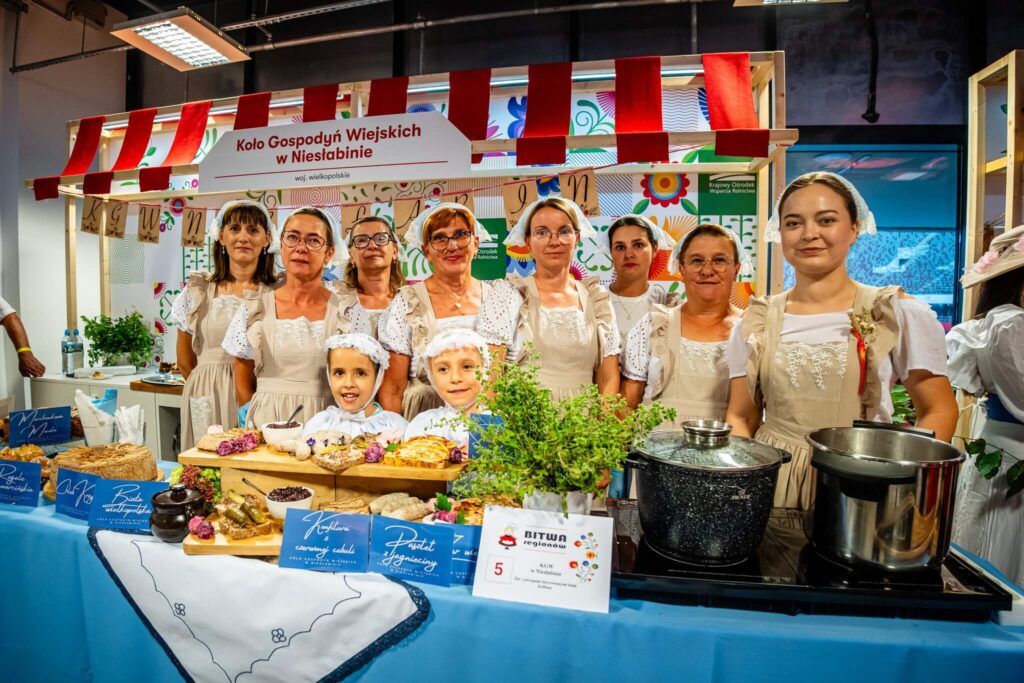
The grand finale of the 10th edition of “Bitwa Regionów” (Battle of the Regions)—a national culinary competition dedicated to preserving and celebrating culinary culture and heritage foods from all regions of Poland, was at the heart of the event. Sixteen Circles of Country Housewives (Koła Gospodyń Wiejskich), each representing their voivodeship, presented unique dishes rooted in traditional recipes and local ingredients.

Chef Joanna Ochniak, member of Worldchefs’ Culture Cuisine and Heritage Food Committee, had the great honor to serve as chairman of the jury, alongside esteemed culinary professionals. Notably, the patronage of OSSKiC (Polish Chefs and Pastry Chefs Association) graced the competition.

The winner was KGW Zakocie “Wygodni Zakociacy” from Mazovia, who prepared the traditional dish the Polish Crayfish. The winning team will proudly represent Poland and present this dish at one of the world’s largest food fairs—Grüne Woche in Berlin, January 16–25, 2026.

The festival served as a vibrant space for food education, tastings of local products, culinary demonstrations, and discussions about quality and provenance. With 127 exhibitors, 26 panel discussions and author meetings, as well as numerous workshops and animations, the event attracted thousands of visitors, confirming its status as the largest food festival in Poland. This was a great event for celebrating Poland’s culinary heritage and promoting conscious food choices. 

Discover more photos and a video from the event.

Categories
Cultural & Heritage Recipes

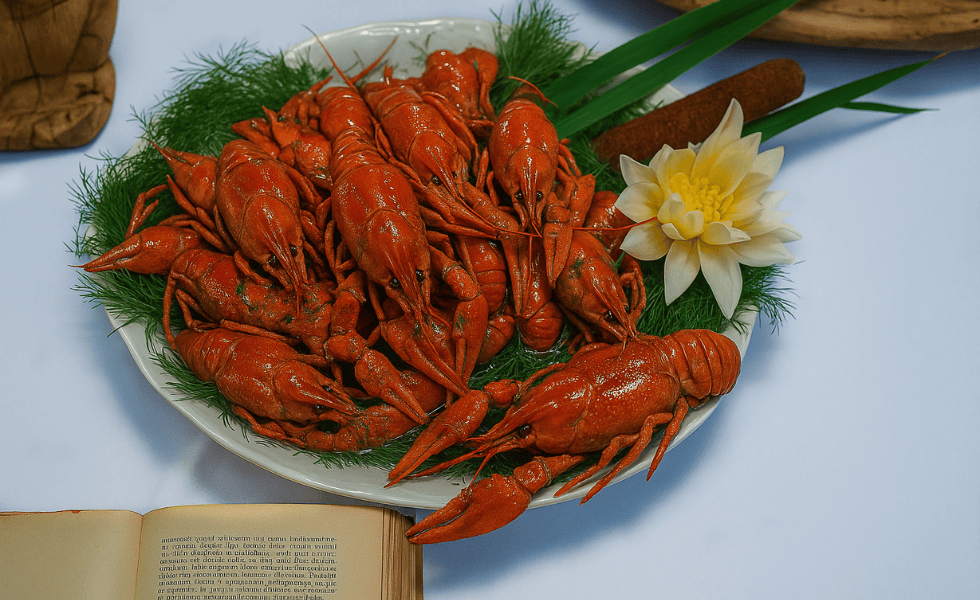
Polish Crayfish with Dill and Wine

See below for recipe

 Crayfish in Polish Culinary Heritage 

For centuries, crayfish have held a special place in Polish cuisine. Once a humble food for peasants, by the 17th century they reached aristocratic tables, influenced by German and French traditions. 

In classic Polish cooking, crayfish were true delicacies – featured in soups, aspics, sauces, pierogi fillings, and the famous crayfish butter, used as a base for the famous cardinal sauce. 

By the 19th century, Poland was among Europe’s leading exporters of crayfish, highly valued in France and Germany. Yet this tradition declined with the crayfish plague and water pollution, which nearly wiped-out native species. 

Today, thanks to sustainable farming and a revival of heritage cuisine, crayfish are slowly returning to Polish tables, especially in regions like Pomerania and Greater Poland. Celebrating crayfish means reviving not only a forgotten taste but also the artistry of cooks who once transformed them into dishes of elegance and prestige. 

The below recipe comes from a rare 1934 cookbook – now a true collector’s treasure. This unique edition has been lovingly passed down through generations by a member of the Rural Women’s Association “Wygodni Zakociacy” from Zakocie, Masovia region. Thanks to this legacy, they can preserve and celebrate some of the finest traditional recipes from Poland. 

Polish Crayfish with Dill and Wine – Recipe

Adapted by JOANNA OCHNIAK & RURAL WOMEN’S ASSOCIATION “WYGODNI ZAKOCIACY” MARSOVIA 

Yields 6-8 portions

*60 crayfish, depending on size, are usually enough for a celebratory table

Preparation time: ~30 minutes (cleaning crayfish) + 20 minutes (cooking) = ~50 minutes total 

Ingredients
  • up to 60 crayfish (various sizes may be used)
  • 50 g butter
  • ½ liter sour cream
  • ¼ liter white wine
  • a generous handful of fresh dill
  • salt, to taste
Instructions
  1. Clean the crayfish thoroughly with a brush and rinse them several times until the water runs clear. Once cleaned, scald them in salted boiling water, then cook under a lid.
  2. In a saucepan, melt the butter, add the crayfish, pour in the sour cream and wine, and sprinkle with a generous handful of finely chopped fresh dill. Season with salt to taste.
  3. Simmer gently for no longer than 20 minutes – prolonged cooking will cause the crayfish to dry out and lose their delicate flavor.

Polish Crayfish Butter – Recipe


Crayfish butter was one of the most prized foundations of classic Polish cuisine. Made by gently infusing butter with the flavor of crayfish shells and claws, it created a deep, luxurious aroma that enhanced many traditional dishes. In the 19th and early 20th centuries, crayfish butter was considered indispensable for crayfish soups, sauces, and festive dishes. 

Yields ~250 g of flavored butter (enough for 6–8 uses in soups, sauces, or spreads) 

Ingredients: 
  • shells and claws from approx. 30 crayfish 
  • 300 g butter 
  • 2 fresh bay leaves (optional) 
Instructions:
  1. Dry the crayfish shells and crush them in a mortar.
  2. In a saucepan, melt the butter and add the crushed shells together with the bay leaves.
  3. Simmer very gently over low heat for 10–15 minutes, stirring constantly to release the aroma.
  4. Strain through a fine sieve lined with cloth or paper.
  5. Pour into jars, cool, and refrigerate. 

Use: Crayfish butter was traditionally added to soups and sauces, or used to enrich festive dishes with a delicate yet distinctive flavor. 

Polish Cardinal Sauce – Recipe


The so-called “Cardinal Sauce” was one of the most refined ways to serve crayfish in Poland. Enriched with crayfish butter and cream, it combined elegance with the unmistakable aroma of crayfish meat. This sauce was a hallmark of banquets and festive meals, elevating fish and seafood dishes to true delicacies. 

Yields ~6 portions (as a sauce accompanying a main dish) 

Ingredients: 
  • 1 cup mayonnaise 
  • 4 tbsp cream 
  • ¼ liter dry white wine 
  • 100 g crayfish tails 
  • 2 tbsp crayfish butter 
  • fresh dill, finely chopped 
  • salt, pepper, and lemon juice to taste 
Instructions:
  1. Combine the mayonnaise with melted crayfish butter.
  2. Stir in the cream, wine, chopped crayfish tails, and fresh dill.
  3. Season carefully with salt, pepper, and lemon juice.
  4. Serve slightly chilled or at room temperature. 

Use: Traditionally served with crayfish, fish, or other seafood, this sauce added a note of prestige and richness to celebratory tables. 


Bon appétit – or as we say in Poland, Smacznego! 

For more recipes, visit www.worldchefs.org/news.

Subscribe

* indicates required

What are you looking for?

Generic selectors
Exact matches only
Search in title
Search in content
Post Type Selectors