Categories
Press Releases

Worldchefs Welcomes Auburn University as Education Partner

Worldchefs Welcomes Auburn University as Education Partner

  • The Auburn University and their Culinary Science program, a study option in the Hospitality Management degree program in the College of Human Sciences, has joined Worldchefs as an Education Partner.
  • Auburn University has been accepted as a Recognized School and is a part the landmark Recognition of Quality Culinary Education program officially recognizing educational institutions with a commitment to the highest standards in culinary education.
  • The Auburn University Culinary Science program is one of six educational programs in the United States offering Worldchefs Global Hospitality Certification to help students and alumni build a career pathway in culinary arts.

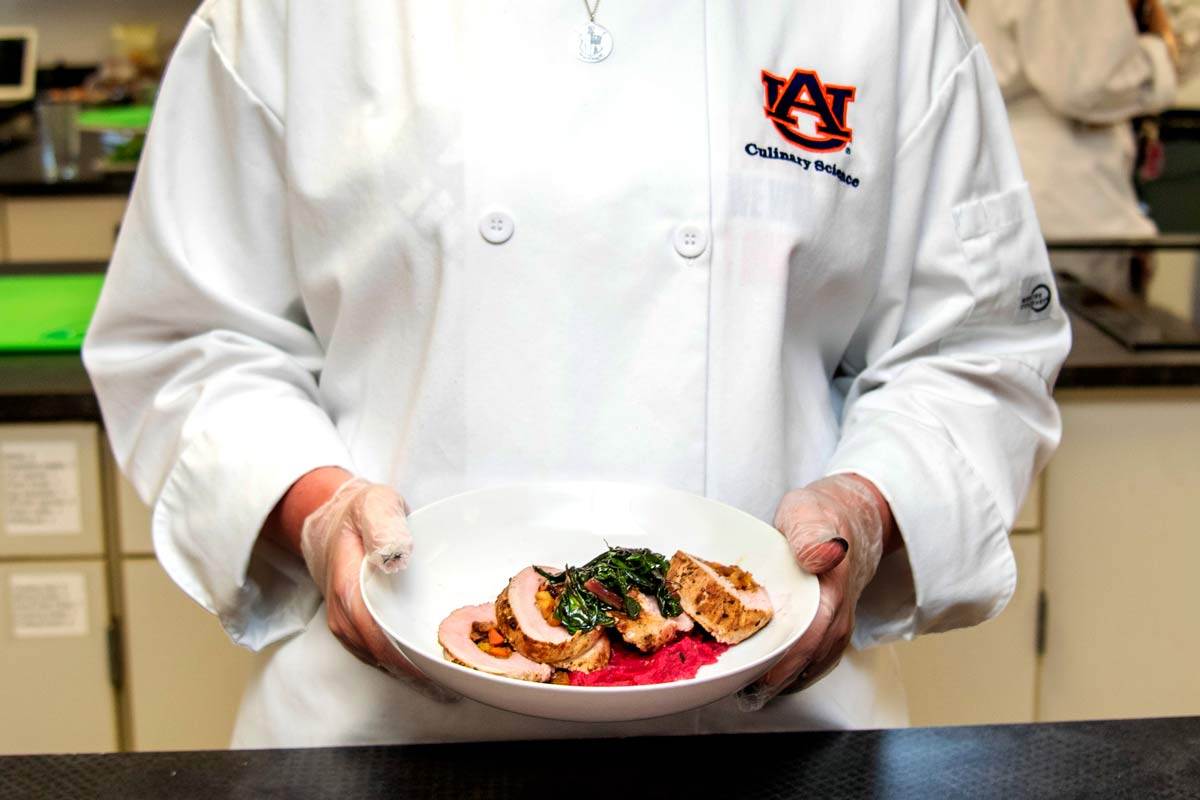
Paris, 28 of April 2022 – The Auburn University and their Culinary Science program, a study option in the Hospitality Management degree program in the College of Human Sciences, has joined Worldchefs as an Education Partner. The partnership unites Auburn University with an international network of hospitality educators leading the future of culinary education and training.

Accepted as a Worldchefs Recognized School, the Auburn Culinary Science option fulfills the criteria for the Recognition of Quality Culinary Education program. Launched in 2010, the landmark Recognition of Quality Culinary Education officially recognizes educational institutions committed to the highest standards in culinary education. Recognized Schools represent excellence in culinary education on a global scale. 

The Auburn Culinary Science option trains students in food production and service by emphasizing industry safety standards, culinary knowledge and hands-on experience, sustainability, foodservice management, and global cuisines. Traynor said the addition of the Tony and Libba Rane Culinary Science Center, opening fall 2022, will further establish Auburn University as a global leader in culinary education.

The Auburn University Culinary Science program is also one of six educational programs in the United States offering Worldchefs Global Hospitality Certification. Mark Traynor, associate professor and Culinary Science program coordinator at Auburn, said Worldchefs recognition coupled with Global Hospitality Certification will elevate Auburn’s program in the global market and connect students with international opportunities.

“This prestigious award acknowledges the past and current effort we have put into providing high-quality culinary education at Auburn University. Moreover, it recognizes the university’s commitment to excellence in culinary education moving forward,” Traynor said. “Now that our curriculum is certified by the World Association of Chefs Societies, our students can be assessed for professional certifications that recognize their individual skills. In addition, this certification provides a platform for our students to be internationally visible and connected with potential international employers.”

“Worldchefs is proud to welcome Auburn University as an Education Partner. The school’s mission, mentorship, and dedication to service is matched by their reputation for producing high-quality graduates ready to flourish in global hospitality,” says John Clancy, Worldchefs Education Director. “Together we share a vision for empowering the next generation of industry leaders through learning environments that inspire, inform, and prepare the future leaders of the industry.”

To learn more about Culinary Science at Auburn University and to explore all Worldchefs Education Partners, visit worldchefs.org/education-partner

-END-

ABOUT WORLDCHEFS

The World Association of Chefs’ Societies, known as Worldchefs, is a dynamic global network of 110 chef associations worldwide. A leading voice in the hospitality industry, Worldchefs carries 91 years of history since its founding at the Sorbonne by the venerable Auguste Escoffier. Representing a mobilized international membership of culinary professionals, Worldchefs is committed to advancing the profession and leveraging the influence of the chef jacket for the betterment of the industry and humanity at large.

Worldchefs is dedicated to raising culinary standards and social awareness through these core focus areas:

Education – Worldchefs offers support for education and professional development through the landmark Worldchefs Academy online training program, a diverse network of Worldchefs Education Partners and curriculum, and the world’s first Global Hospitality Certification recognizing on-the-job skills in hospitality; 

Networking – Worldchefs connects culinary professionals around the world through their online community platform and provides a gateway for industry networking opportunities through endorsed events and the biennial Worldchefs Congress & Expo;

Competition – Worldchefs sets global standards for competition rules, provides Competition Seminars and assurance of Worldchefs Certified Judges, and operates the prestigious Global Chefs Challenge;

Humanitarianism & Sustainability – Worldchefs Feed the Planet and World Chefs Without Borders programs relieve food poverty, deliver crisis support, and promote sustainability across the globe.

For more information about Worldchefs, visit us at www.worldchefs.org.
Categories
GCC

The Global Chefs Challenge Competing Teams Announced: See who will compete for the title of Worlds Best Chef

The Global Chefs Challenge Competing Teams Announced: See who will compete for the title of Worlds Best Chef

  • The final teams competing in the 2022 Global Chefs Challenge Finals have been announced.
  • The event will be held during the historic Worldchefs Congress & Expo 2022 in Abu Dhabi, 30 May to 2 June.
  • See the action live at the Global Chefs Challenge Finals and meet the world’s top chefs in Abu Dhabi. Registration is available at www.worldchefscongress.org/register.

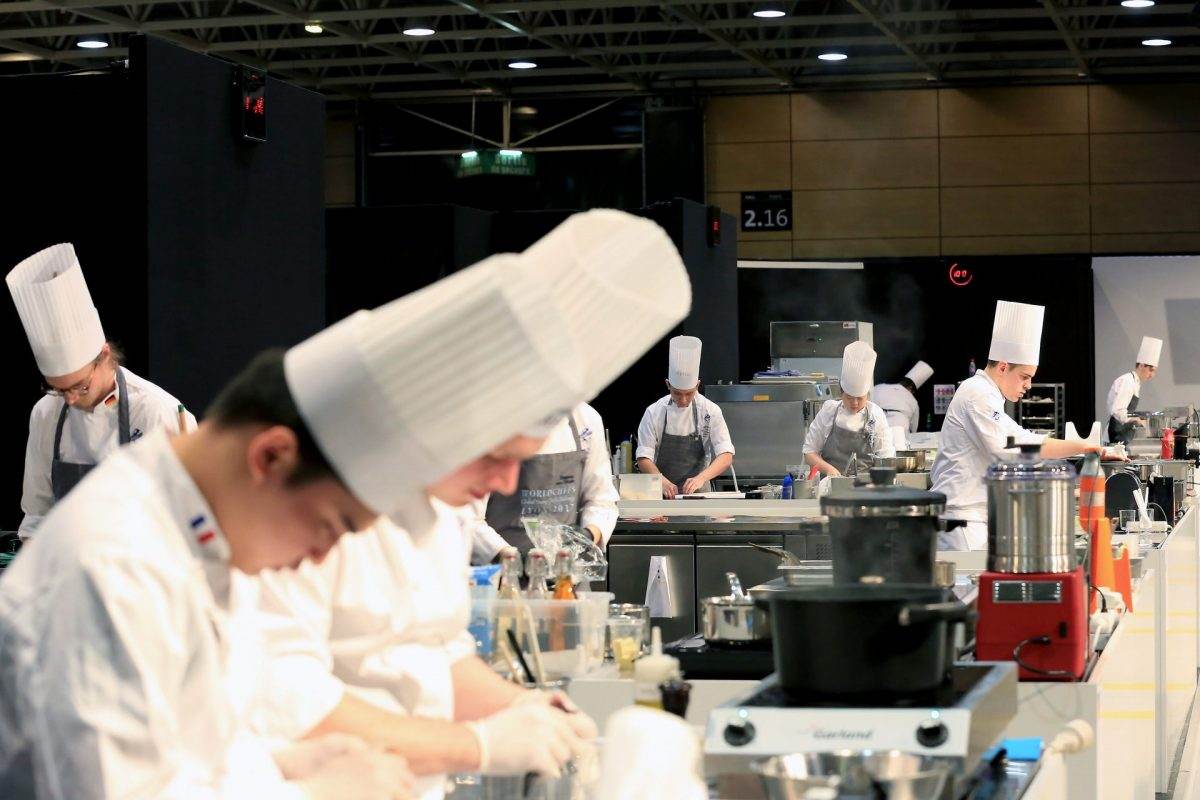
Paris, 13 of April 2022 – The final teams participating in the Global Chefs Challenge Finals have been announced. The Finals will be held during Worldchefs Congress & Expo 2022 in Abu Dhabi, 30 May to 2 June.  With the backdrop of the historic reunion event, the anticipated Global Chefs Challenge Finals see the world’s top chefs and emerging culinary talent test their skills on a global stage.

Representing their respective countries and culinary teams, the world’s most promising chefs will experience four days of intense competition and give their best as they fight to win the prized trophy and title of Worlds Best Chef. The Global Chefs Challenge Finals includes three specialized competition categories: the Global Chefs Challenge, the Global Pastry Chefs Challenge, and the Global Young Chefs Challenge.

Qualifying Countries and Competitors by Category

Global Chefs Challenge

Mathew LeeAustralia
Sam Van HouckeBelgium
Jan HorkyCzech Republic
Adam ThomasonEngland
Simo PietarinenFinland
Balazs AdamekHungary
Sigurjón Bragi GeirssonIceland
Alan FitzmauriceIreland
Marco TomasiItaly
Bartosz PeterPoland
Orry ShandScotland
Leong Wei MingSingapore
Marko MagajneSlovenia
Marcus Wade GerickeSouth Africa
Michael AnderssonSweden
Chia Ho LiTaiwan
Arivukkarasan RavikkumarUnited Arab Emirates
Sam GriffithsWales

Global Pastry Chefs Challenge

Samy HarounEgypt
Nabil BarinaFrance
Antonio Dell’OroItaly
Alkesh BhandariQatar
Dexter Lee Chee LeongSingapore
Arno RalphSouth Africa
Aravinda LeelarathnaUnited Arab Emirates

Global Young Chefs Challenge

Petrzela VojtaCzech Republic
Giorgia CeccatoItaly
Aron EspelandNorway
Armin Moriel MaritzSouth Africa
Harald LinderSweden
Leon Robin RozarioUnited Arab Emirates
Brooke WilliamsUnited States of America
Harry Paynter RobertsWales

The competition rulebooks for all three Global Chefs Challenge categories have been released. Complete information on the country competitor profiles and rulebooks can be found at www.globalchefschallenge.org.  

For tickets to the Global Chefs Challenge Finals and complete access to Worldchefs Congress & Expo events, register now at www.worldchefscongress.org/register

-end-

ABOUT WORLDCHEFS

The World Association of Chefs’ Societies, known as Worldchefs, is a dynamic global network of 110 chef associations worldwide. A leading voice in the hospitality industry, Worldchefs carries 91 years of history since its founding at the Sorbonne by the venerable Auguste Escoffier. Representing a mobilized international membership of culinary professionals, Worldchefs is committed to advancing the profession and leveraging the influence of the chef jacket for the betterment of the industry and humanity at large.

Worldchefs is dedicated to raising culinary standards and social awareness through these core focus areas:

Education – Worldchefs offers support for education and professional development through the landmark Worldchefs Academy online training program, a diverse network of Worldchefs Education Partners and curriculums, and the world’s first Global Hospitality Certification recognizing on-the-job skills in hospitality; 

Networking – Worldchefs connects culinary professionals around the world through their online community platform and provides a gateway for industry networking opportunities through endorsed events and the biennial Worldchefs Congress & Expo;

Competition – Worldchefs sets global standards for competition rules, provides Competition Seminars and assurance of Worldchefs Certified Judges, and operates the prestigious Global Chefs Challenge;

Humanitarianism & Sustainability – Worldchefs Feed the Planet and World Chefs Without Borders programs relieve food poverty, deliver crisis support, and promote sustainability across the globe.

For more information about Worldchefs, visit us at www.worldchefs.org.

For press and media inquiries
communications@worldchefs.org

Categories
Press Releases

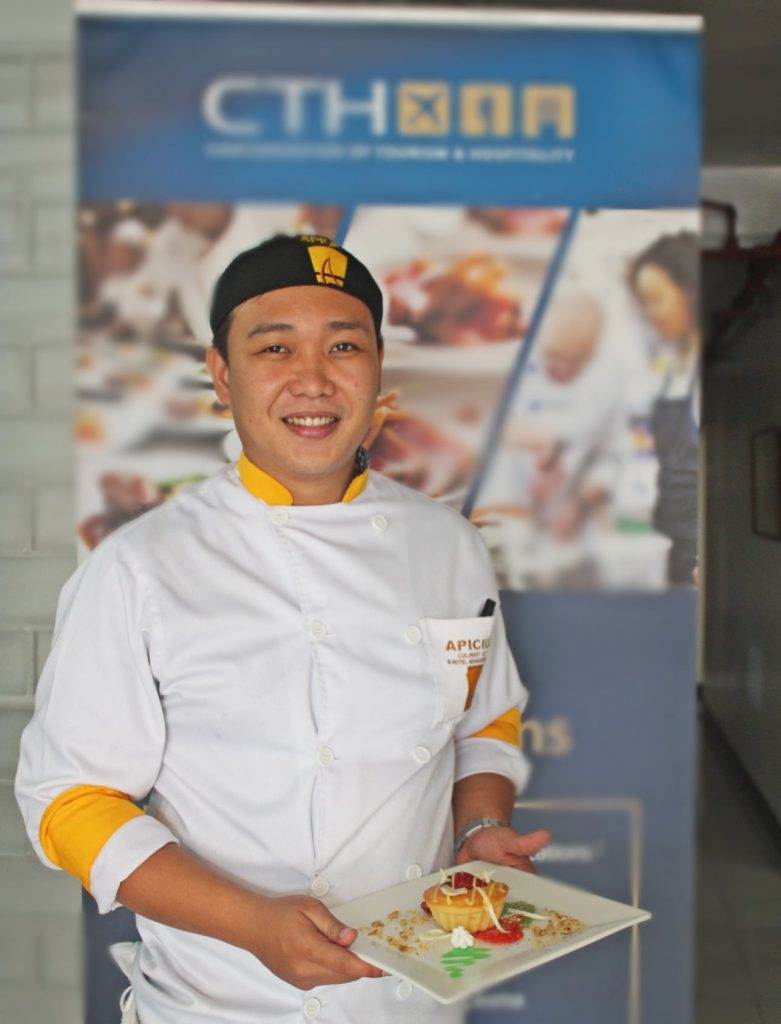
Worldchefs Welcomes Apicius Culinary Arts & Hotel Management as Education Partner

Worldchefs Welcomes Apicius Culinary Arts & Hotel Management as Education Partner

  • The Filipino culinary training institution Apicius Culinary Arts & Hotel Management has joined Worldchefs as an Education Partner.
  • Apicius has been accepted as a Recognized School and is a part the landmark Recognition of Quality Culinary Education program officially recognizing educational institutions with a commitment to the highest standards in culinary education.
  • With five campuses in the Philippines, Apicius a key provider of quality culinary education in the region, and the only school with an accredited CTH Level-3 Diploma in Professional Cookery.

Paris, 12 of April 2022 – A key culinary education institution in the Philippines, Apicius Culinary Arts & Hotel Management has joined Worldchefs as an Education Partner. The partnership unites Apicius with an international network of hospitality educators leading the future of culinary education and training.

Accepted as a Worldchefs Recognized School, Apicius fulfills the criteria for the Recognition of Quality Culinary Education program. Launched in 2010, the landmark Recognition of Quality Culinary Education officially recognizes educational institutions committed to the highest standards in culinary education. Recognized Schools represent excellence in culinary education on a global scale. 

Estabilished in 2009, Apicius was founded with the vision of giving students practical hands-on training in the art and passion of global cuisine, equipping them with the skills to become skillful chefs and responsible assets to the industry. With tailor-made programs, Apicius takes a holistic approach to culinary education, helping graduates stand out in the career arena both in the Philippines and internationally. 

With worldwide partnerships and opportunities, Apicius offers Career Pathway programs to Europe, the United States, and Dubai, as well as local internships and opportunities in growing food tourism and hospitality sectors.

“Worldchefs is proud to welcome Apicius as an Education Partner. The school has grown out of integrity and intention, helping students to join their passion for culinary arts with an accessible step towards the pursuit of their professional goals, ” says John Clancy, Worldchefs Education Director. “With a fantastic team delivering globally minded programs, Apicius is forging new paths in culinary arts for Filipino chefs.”

To learn more about Worldchefs Education Partners, visit worldchefs.org/education-partner

-end-

ABOUT WORLDCHEFS

The World Association of Chefs’ Societies, known as Worldchefs, is a dynamic global network of 110 chef associations worldwide. A leading voice in the hospitality industry, Worldchefs carries 91 years of history since its founding at the Sorbonne by the venerable Auguste Escoffier. Representing a mobilized international membership of culinary professionals, Worldchefs is committed to advancing the profession and leveraging the influence of the chef jacket for the betterment of the industry and humanity at large.

Worldchefs is dedicated to raising culinary standards and social awareness through these core focus areas:

Education – Worldchefs offers support for education and professional development through the landmark Worldchefs Academy online training program, a diverse network of Worldchefs Education Partners and curriculums, and the world’s first Global Hospitality Certification recognizing on-the-job skills in hospitality; 

Networking – Worldchefs connects culinary professionals around the world through their online community platform and provides a gateway for industry networking opportunities through endorsed events and the biennial Worldchefs Congress & Expo;

Competition – Worldchefs sets global standards for competition rules, provides Competition Seminars and assurance of Worldchefs Certified Judges, and operates the prestigious Global Chefs Challenge;

Humanitarianism & Sustainability – Worldchefs Feed the Planet and World Chefs Without Borders programs relieve food poverty, deliver crisis support, and promote sustainability across the globe.

For more information about Worldchefs, visit us at www.worldchefs.org.

For press and media inquiries
communications@worldchefs.org

Categories
Blog

Does adding natural antioxidants in cooking oil help?

Cooking oils have been around for most of human history. It is indisputably a fantastic medium used to transfer heat to food, facilitating cooking processes. As the food is being cooked, the oils help to enhance the qualities of the food making it more palatable and appealing to us. We fry, bake, and grill foods with oils, with the intention to relish our desire for crispy, and crunchy food textures. Let’s be honest, without cooking oils, not only will we compromise the texture of our home-cooked delicacies, but also the taste. In general, a cook would admit that cooking oils help to enhance the texture, taste, and flavour of food. Besides that, cooking oils provide the calories we need to run our day-to-day affairs and some of them are actually rich in fat-soluble vitamins. Palm oil for example, is rich in Vitamin E tocotrienols .Without the administration of fats or oils into our body, fat-soluble vitamins A, D, E and K may not enter our system and nourish us with its many benefits. This is why we should not underestimate our cooking oils as they help facilitate the vitamins’ absorption.

Unfortunately, as heat is transferred to foods during cooking, undesirable chemical reactions occur.  For example, during the frying process, hydrolysis, oxidation, and polymerisation take place. These reactions result in the formation of volatile and non-volatile compounds that can lower oxidative stability, thereby the quality of both oil and food. Unpleasant odours, flavours, and colours can be imparted to the food as well as the oil, and also limit the re-use of the oil (Choe and Min, 2007). However, this can be slowed down or prevented entirely by adding antioxidants to the frying oils (Che and Tan,1999).

What does an antioxidant do?

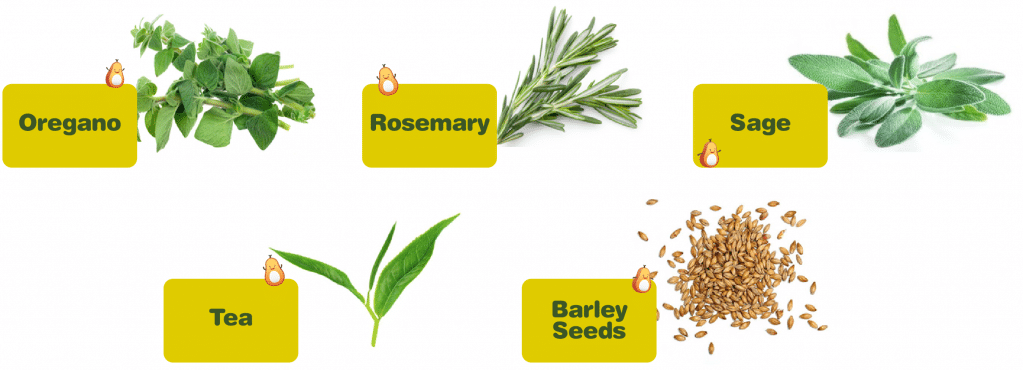
An antioxidant interrupts the oxidation process by stabilizing fatty acid, which makes them less reactive with oxygen. Surprisingly, natural ingredients like herbs contain numerous phenolic compounds which may act as antioxidants (Kaur and Kapoor, 2002). Additionally, it was discovered (Negishi et al. , 2003) that natural antioxidants such as those from the extracts of rosemary, tea, sage, oregano, and barley seeds have high antioxidant activity at frying conditions, thus effective in slowing down these undesirable chemical reactions.

It has been reported that compounds such as tocopherols, carotenoids, alkaloids, flavonoids, and diarylheptanoids found in herbs interact with existing tocopherols and tocotrienols in palm oil that may cause an effect that enables the oil to last longer. Pandan leaves, kaffir lime leaves, curry leaves and turmeric leaves have shown antioxidant effects towards palm oil during frying (Idris et al.,2008). Nor et al. (2008) tested the effects of using pandan leaf extract as antioxidant on palm oil during deep-frying. Oxidation of the palm oil used decreased with an increase in the concentration of pandan extract in the oil. The study demonstrated that the addition of a natural antioxidant such as pandan, enhances oxidative stability of cooking oil during deep-frying.

In another study by Hamad et al. (2017), it was found that palm oil fortified with turmeric spice had the highest value of phenolic compounds compared to palm oil fortified with paprika, thyme, and cumin. Phenolic compounds are plant-derived compounds that possess high antioxidant activity and other benefits such as antimicrobial and anti-inflammatory properties.  Tumeric contains a compound called curcumin which has been shown to exhibit antioxidant properties and thus has the potential to fight against various diseases. Overall the same study showed that oxidation stability increased after treatment of palm oil with turmeric, paprika, thyme, and cumin. The study proves that the addition of natural antioxidants in cooking oil especially palm oil would help with the improvement of cooking processes and overall quality of the food and oil.

Antioxidants found in palm oil

Vitamin E tocotrienols is abundantly found in palm oil and its derivatives especially red palm oil. Vitamin E tocotrienols is an excellent antioxidant that has been proven to provide multiple health benefits such as neuroprotection, inhibition of cancer cells proliferation, protection against bone disease as well as prevention of oxidative reaction on skin and hair. And research studies done on palm oil derived tocotrienols have proven these benefits. Carotenoids, a compound that will be converted to Vitamin A when consumed, is another antioxidant abundantly found in red palm oil. It’s what gives the red palm oil its rich orangey red colour. Red palm oil can be used for low heat cooking processes such as shallow frying and even incorporated in mixtures to make baked goods. In fact, red palm oil, which comes from the flesh of the oil palm fruit, contains the most carotenoids in comparison to other fruits and vegetables.

Evidently, with the presence of antioxidants such as Vitamin E tocotrienols and carotenoids, palm oil is already a stable cooking oil to begin with. The addition of natural antioxidants that interact with antioxidants found in palm oil will definitely enhance the cooking oil’s oxidative stability and further improve cooking qualities. Furthermore, palm oil is incredibly versatile and can be used for various food applications. And this is contributed by its thermal and oxidative stability. Palm oil is used for making shortening, dairy fat replacer, margarine, Vanaspati, ice cream, vitamin E supplement, cooking oil, and cocoa butter substitute.

References:

  1. Che Man Y. B., Tan C. P. (1999). J American Oil Chemists’ Society 76: 331-339.
  2. Choe E., and Min D. B. (2007).J Food Science.72(5): 77-86.
  3. Hamad, M. N. F., Taha, E. M., Mohamed, W. M. (2017). Indian J Dairy Sci, 70, 1.
  4. Idris, N. A., Fatihanim, M. N., Razali, I., Suhaila, M. and Hassan, C. Z. (2008). In Proceedings of Product Development and Nutrition Conference: PIPOC 2007 International Palm Oil Congress: Palm Oil: Empowering Change. Malaysian Palm Oil Board.
  5. Kaur, C., and Kapoor, H.C. (2002). International Journal of Food Science & Technology. 37. 153 – 161. 10.1046/j.1365-2621.2002.00552.x.
  6. Negishi H., Nishida M., Endo Y., Fujimoto K. (2003) .J American Oil Chemists’ Society .80: 163-166.
  7. Nor F. M., Mohamed S., Idris N. A., Ismail R. (2008). Food Chemistry.110: 319-327.

Visit Malaysian Palm Oil Council’s website and follow them on Facebook, LinkedIn, and Twitter to learn more about palm oil’s nutritional and economical advantages as well as environmental sustainability.

Subscribe

* indicates required

What are you looking for?

Generic selectors
Exact matches only
Search in title
Search in content
Post Type Selectors