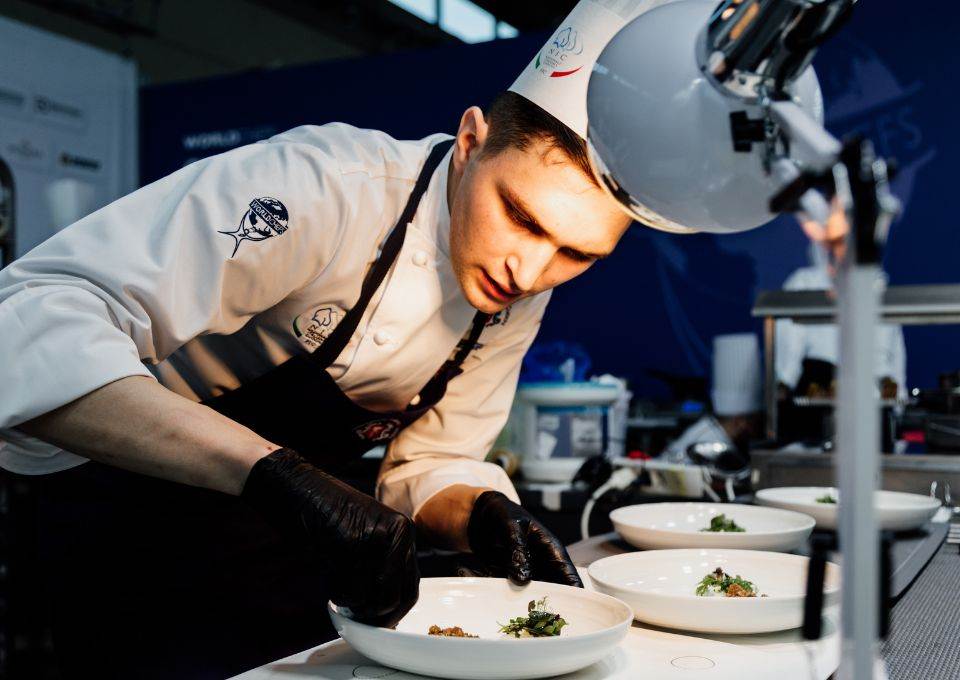
Think of a dish that instantly transports you to a different time. It could be your grandfather’s khorovats over an open flame, your favorite festival treat, or a street food classic that defined your neighborhood growing up.
As chefs, we know the plate is a powerful storyteller. Heritage cuisines are a collection of stories that connect past, present, and future. Written in time-honored techniques and place-making ingredients, traditional cuisines are celebrations of cultural identity, and a path for sustainable and healthy eating.
There is a rising movement among chefs to look back to tradition for inspiration, with a realization that without protecting these food traditions, we run the risk of losing them altogether. More than nostalgia, the need to reconnect with heritage cuisines is being driven and shaped by a sense of loss, from the old taste of an heirloom tomato to the homogenization of haute cuisine.
Heritage cuisine is increasingly (re)gaining traction, providing new opportunities to use traditional knowledge for a better next chapter in food.
What Is Heritage Cuisine and Why It Matters
Across cultures, food is memory, and heritage cuisine is how we remember. Around the world, the processes of growing, preparing, and sharing food are deeply connected to local traditions, many of which have been passed down over centuries. UNESCO has declared dozens of culinary practices and dishes as Intangible Cultural Heritage, affirming that food culture is a vital part of our shared human experience.
Heritage cuisine is a stage for regional ingredients, unique cooking techniques, local customs, and history, from sarma’s symbol of hospitality in the Balkans to gumbo’s melting-pot history.
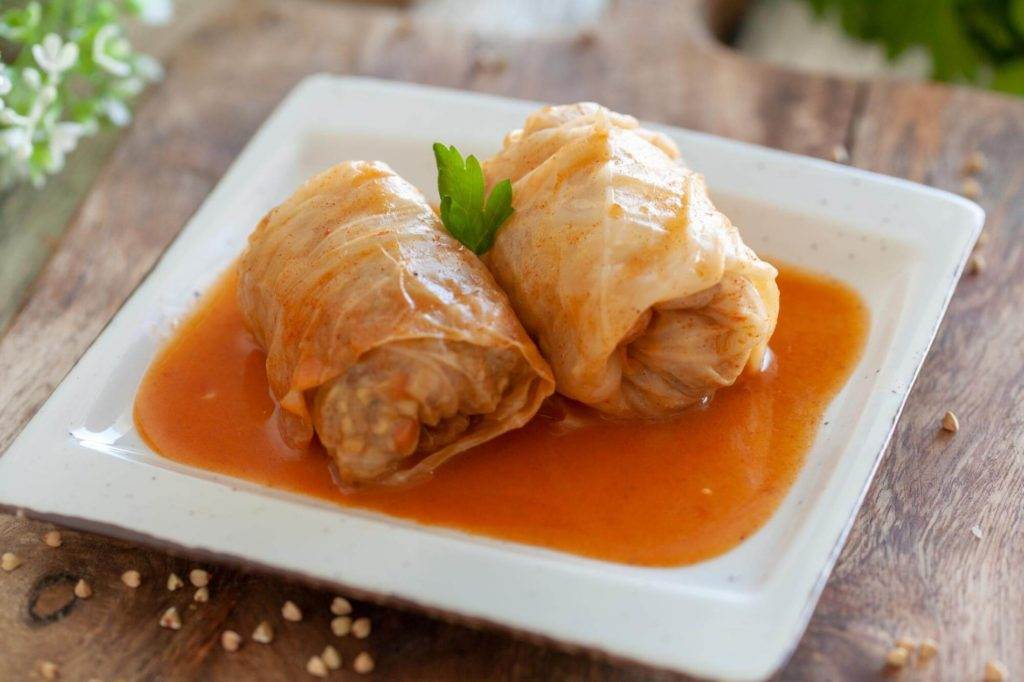
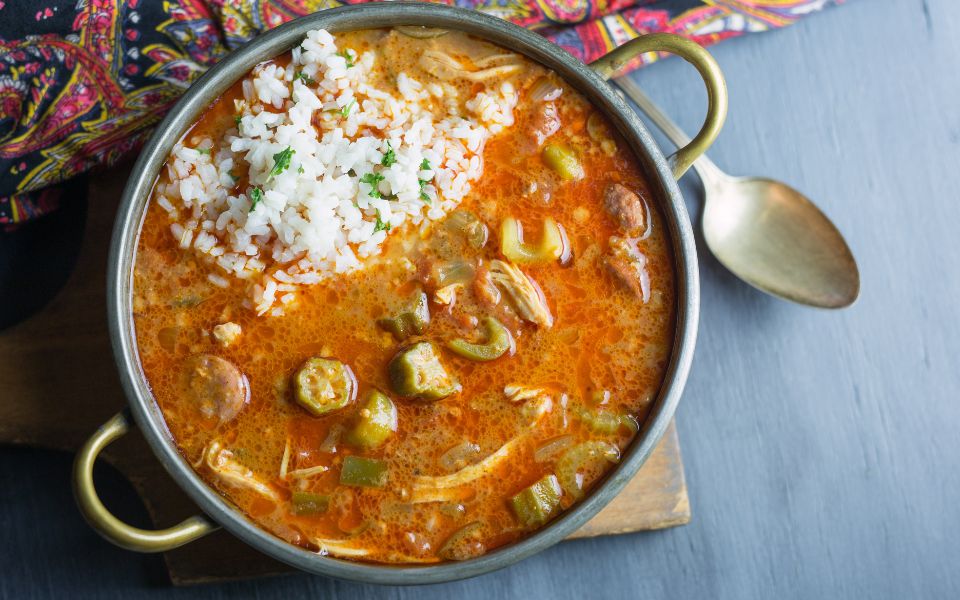
Our foodways carry so much knowledge, about our environments, our histories, and ourselves. As Chef Jay Reifel, author of History of the World in Ten Dinners, put it: “There’s no better way to connect people to their own history than giving them the immediacy of a dish in front of them.”
The Origins of Sustainable Gastronomy
Traditional cuisines often evolved out of and relied on what was available, and as a matter of necessity, focused on seasonal produce, nose-to-tail cooking, and low-waste principles, well before the buzz around sustainable gastronomy. Dishes were tied to places and people, charting periods of abundance and scarcity, social hierarchies, and ingenuity. From the Mediterranean diet, known for its emphasis on seasonal produce, to the sustainable philosophy of Indian Vedic knowledge, heritage cuisines reflect adaptive approaches to feeding people in diverse climates and cultures.
Beyond providing inspiration and knowledge for how we can rebuild sustainable practices, these cuisines often promote healthier eating, too. Many traditional diets are rich in grains, vegetables, and lean meats, contrasting today’s often processed food-driven diets.
Tradition Meets Technology
“When we talk about heritage food, we are not saying to take you back to the past. No! We are still learning of the heritage food of that time, and… today we have to go into the future with that food with modern technology, modern techniques,” said Manjit Gill on Episode 34 of Worldchefs’ podcast, World on a Plate.
Heritage cuisine has a lot to offer to the future. As technology expands, from AI to digitalized recipe archives, it is providing new ways to share and preserve culinary traditions. Historical cookbooks are now being translated and adapted thanks to modern tools. Chef Jay Reifel, for example, used online databases and expert translators to reconstruct dishes from ancient Rome to Baghdad.
AI can help preserve oral knowledge, match hard to find or lost ingredients with modern alternatives, and make global culinary heritage more accessible to chefs, scholars, and home cooks. However, as we embrace technology, we have to remember that the flavor is only part of the recipe. The real value of heritage cuisine comes from understanding the cultural context and shared experience behind the dish.
Culinary Competitions Bring Food Culture to the World Stage
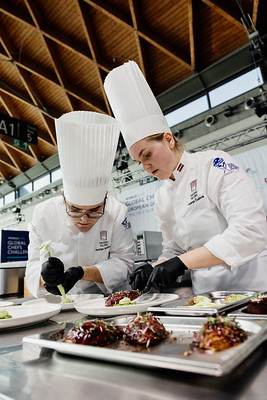
Worldchefs’ local, regional, and global competitions, such as the Global Chefs Challenge, are platforms for bringing these dishes and their stories to a global stage. Through specific competition categories, chefs are encouraged to highlight their local food culture, ingredients, and techniques. These events offer young chefs, especially, the opportunity to showcase their roots while innovating for the global arena. With mentorship, skill-building, and visibility, these competitions keep heritage cuisine alive in both tradition and evolution.
The upcoming Global Chefs Challenge Finals at the 2026 Worldchefs Congress & Expo in Wales will continue this mission, spotlighting not only culinary skill, but culinary heritage as a dynamic, evolving force in shaping the future.
Next Steps for Chefs
How can you help to ensure traditional cuisines are not lost to time or trends?
- Rediscover and connect: Dive into your region’s culinary past, from online sources and from your community. Seek out intergenerational learning by joining a Young Chefs Club or becoming a mentor.
- Cook with context: Teach and share the story behind each dish, not just its methods, and showcase living traditions on your menus, like fermentation and local ingredients.
- Celebrate heritage in competition: Use your platform to showcase traditional recipes with a contemporary spin.
- Innovate respectfully: Use modern tools to adapt and elevate heritage dishes while including and celebrating their cultural significance.
Podcasts & Webcasts: Deep Dive into Culinary Heritage
A History of the World in 10 Dinners with Author Chef Jay Reifel
Explore how stories, history, and food culture come together in this episode featuring Chef Jay Reifel.
Sustainability Around the World #46: Exploring Zimbabwean Cuisine
An exploration of Zimbabwe’s culinary traditions through the ‘Whatz Cooking’ project.
More Resources
Worldchefs Cultural & Heritage Recipes Collection
Discover a collection of traditional recipes from around the globe, celebrating culinary heritage and diversity.
Worldchefs Culture Cuisine & Heritage Food Committee
Discover the team engaged with initiatives to preserve and promote traditional culinary practices and philosophies.
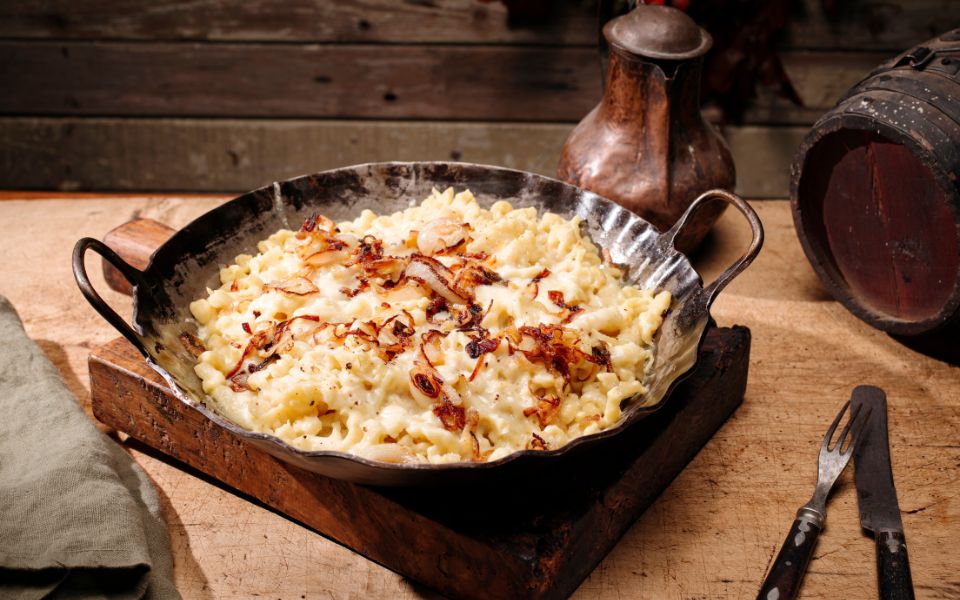
Taste of Tradition Digital Cookbook
A compilation of recipes blending tradition with innovation, crafted by leading chefs worldwide.
Food of Asia, Soul of Asia E-Book
Embark on a culinary journey through Asia with this free e-book featuring authentic recipes from across cultures.
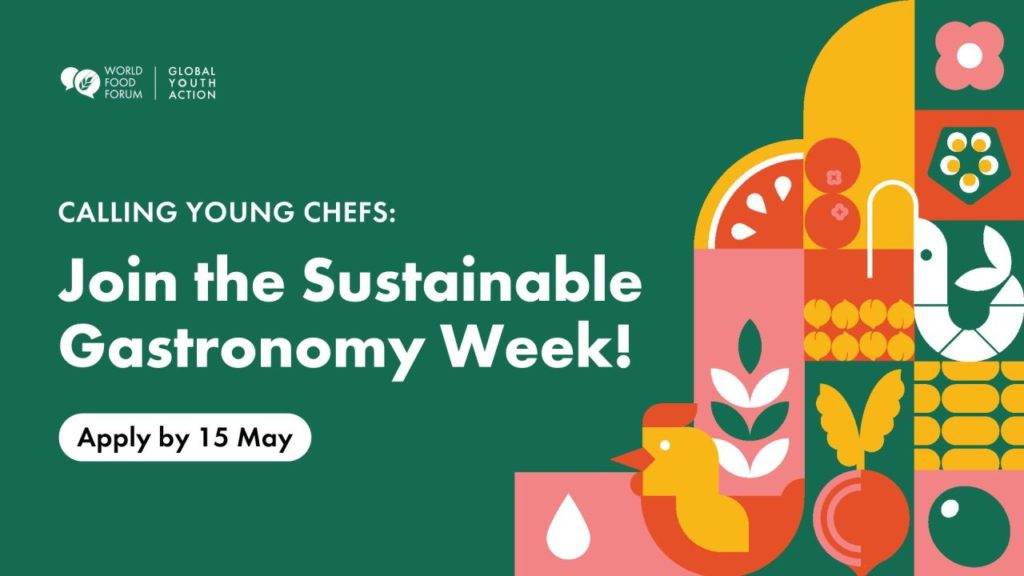
Calling All Young Chefs: Sustainable Gastronomy Week
Are you a young chef between the ages of 18 and 39 with a passion for sustainable gastronomy? The World Food Forum invites you to celebrate the unique heritage of your region by joining Sustainable Gastronomy Week 2025 (16-22 June). For more details, visit https://youth.world-food-forum.org/. Apply before the deadline on May 15.