See the Spanish version below / Ver la versión en español más abajo
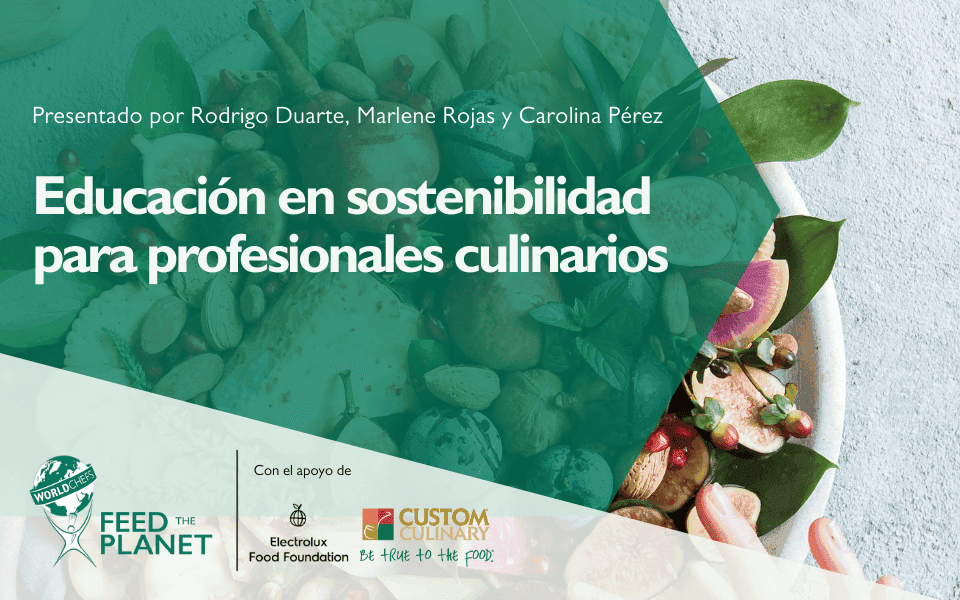
- Sustainability Education for Culinary Professionals, created by Worldchefs’ Feed the Planet initiative, is now available in Spanish on Worldchefs Academy. This course offers a free 8-course curriculum for learners to deepen their knowledge of sustainable culinary methods and key topics in food systems.
- With Spanish marking the third language available for this course, the program becomes even more accessible. It is now able to reach countless Spanish-speaking chefs, educators, and culinary students worldwide.
- Learn more about Sustainability Education for Culinary Professionals and our other Feed the Planet programs at https://feedtheplanet.worldchefs.org/sustainability-education/.
Paris, 9 December 2025 – Worldchefs Academy is proud to announce the launch of Sustainability Education for Culinary Professionals course in Spanish, marking a major step forward in making high-quality sustainability education more inclusive and accesible to chefs around the world.
This milestone significantly expands the reach of the program. It offers a valuable new resource to the global community of Spanish-speaking culinary professionals.
Empowering Chefs to Build a More Sustainable Future
To meet the growing appetite for sustainability education across Spanish-speaking regions, Worldchefs collaborated with three expert educators and long-time champions of the program:
- Rodrigo Duarte Casar: Professor in the School of Food Engineering and the School of Gastronomy, Pontificia Universidad Católica del Ecuador, Portoviejo, Ecuador
- Marlene Rojas Le-Fort: Professor in the School of Gastronomy, Pontificia Universidad Católica del Ecuador, Portoviejo, Ecuador
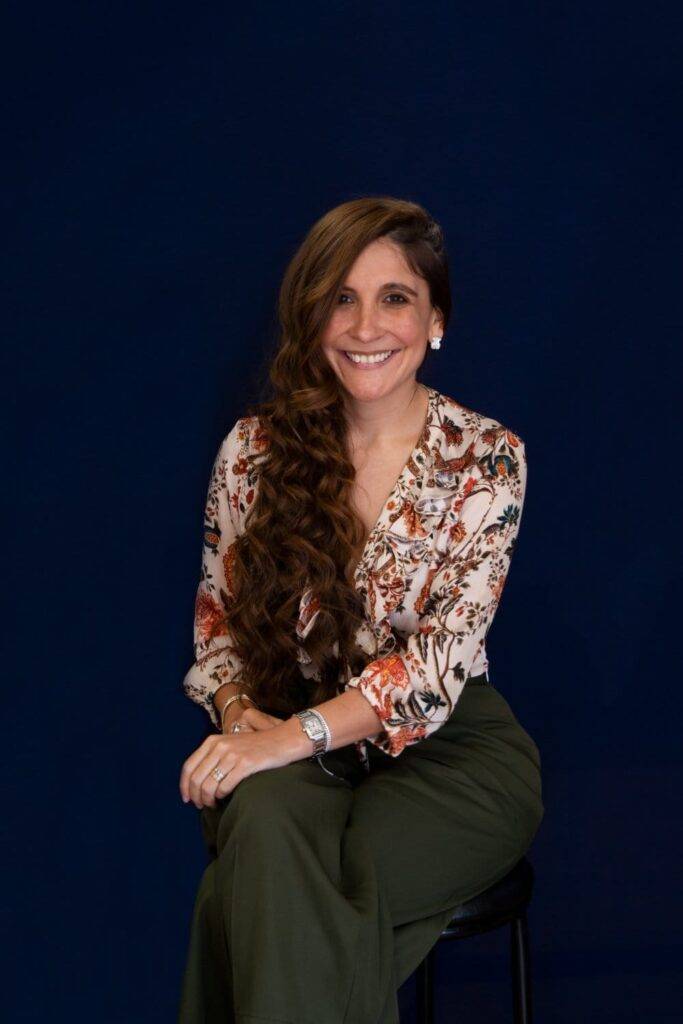
- Carolina Pérez: Professor at the Gastronomy School, Universidad de Las Américas, Quito, Ecuador
Together, they brought their unique perspectives as culinary instructors, sustainability advocates, and leaders deeply engaged with gastronomy education in Ecuador and beyond. All three have been working with sustainability education for years, giving them firsthand insight into how learners apply these concepts in real kitchens and communities.
Rodrigo, Marlene, and Carolina collaborated to translate, refine, and contextualize the curriculum, ensuring it resonates across the diverse “Spanishes” spoken throughout Latin America and Spain.
Rodrigo Duarte Casar, a chef-educator with more than 30 years of experience, is a member of Worldchefs Feed the Planet Committee. He contributed to this collaboration with his deep expertise in chemistry, gastronomy, and food science, along with his experience as a researcher and professor at Pontificia Universidad Católica del Ecuador. Working alongside Rodrigo in the same role, Marlene Rojas Le-Fort is a gastronomy engineer and serves as Vice President of the Ecuadorian Academic Network for Gastronomic Tourism. She brought her extensive expertise in connecting food, sustainability, and academic innovation. Carolina Pérez, an industrial psychologist and gastronomic communicator, added her experience as a university educator at Universidad de las Americas and author on heritage and sustainable gastronomy.
A special thank you goes out to these three trainers as well as Luis Jiménez B from Colombia, who contributed to the review of the Spanish curriculum.
“The power of education—we believe in it. This is our grain of sand in building a better future.”
— Rodrigo Duarte Casar & Marlene Rojas Le-Fort
Building on an Already Impactful Initiative
Since the launch of Sustainability Education for Culinary Professionals in 2018, it has been widely adopted, now reaching nearly 16,000 total graduates worldwide. It is available in three languages online through Worldchefs Academy (Spanish, English and Arabic), as well as through in-person classes led by our 160+ Worldchefs-certified trainers. Whether taking it online or in-person, this curriculum shares fundamental lessons on culinary sustainability with culinary students and professionals across the globe.
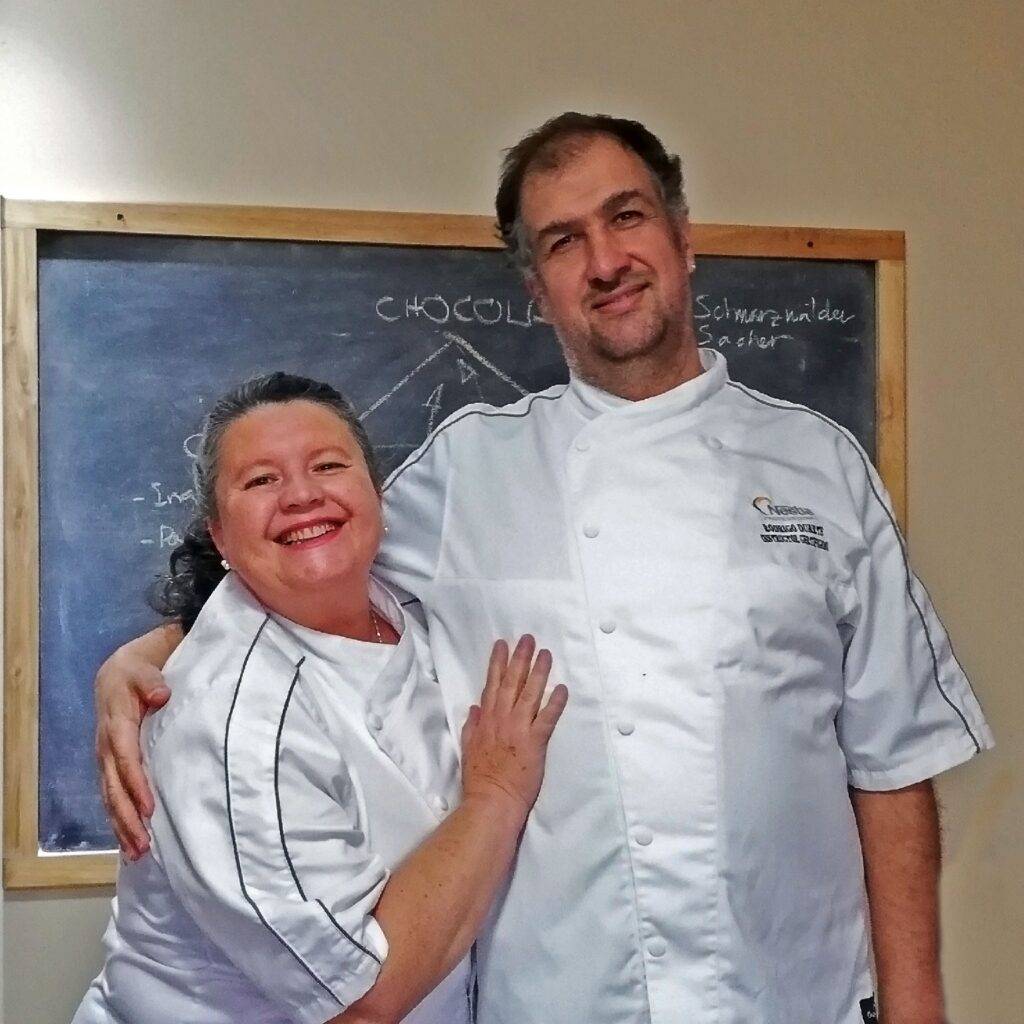
and Marlene Rojas Le-Fort
The Spanish edition of Sustainability Education for Culinary Professionals includes eight lessons. Each lesson offers practical tools that chefs can apply immediately in their daily work:
- Lesson 1 – Big Picture
- Lesson 2 – Seafood
- Lesson 3 – Energy
- Lesson 4 – Water
- Lesson 5 – Waste Management
- Lesson 6 – Nutrition
- Lesson 7 – Agriculture
- Lesson 8 – Animal Husbandry
This curriculum provides a comprehensive foundation for understanding global sustainability challenges. It allows chefs to directly implement solutions that foster impact in kitchens and communities.
Navigating the Diversity of the Spanish Language
One of the biggest challenges during the translation process was the linguistic diversity of Spanish. Rodrigo and Marlene, Chilean educators living in Ecuador, worked through differences between English, machine-translated Spanish, and regional variations across the Spanish-speaking world.
Yet, as Carolina Pérez shared, this diversity also created a sense of unity:
“Food unites everyone. Even if a word belongs to another variety of Spanish, you understand it. Sustainability is a universal topic.”
— Carolina Pérez
Their goal was to ensure the course would feel relevant, accurate, and practical for any Spanish-speaking learner, no matter where they are from.
A Project Fueled by Purpose
Each translator expressed deep fulfillment in contributing to this milestone.
Carolina, who has taught sustainability at the Universidad de las Américas in Ecuador for nearly five years, emphasized how closely the program aligns with the message she shares with her students:
“Being a chef means having the power and responsibility to help save the planet… When I saw that the program transmits that idea, it was really enjoyable for us…We were glad to see that we share the same objective.”
— Carolina Pérez
Marlene and Rodrigo also highlighted how crucial real-world application is in their work. They focus on empowering students to take sustainable solutions directly into their communities, where positive change can happen quickly. Translating this course, they noted, will help extend this change even further across the Spanish-speaking world.
Why Spanish-Speaking Chefs Should Take the Course
Sustainability Education for Culinary Professionals provides essential knowledge for professional chefs as well as students, food enthusiasts, and community leaders seeking to make meaningful change.
For young chefs, as they are entering a world shaped by environmental crisis, while they are not responsible for the problem, they will play a central role in helping to solve it. Equipping them with the right tools is critical.
Once students realize the influence they have as chefs within the food system, they become deeply motivated to act. The curriculum supports that shift by giving trainers global examples which they can then adapt to their own local realities, making sustainability both actionable and relevant to all.
Watch the webinar “Sustainability Around the World #53: Access for All – Spanish Edition of Sustainability Education” to hear more from the three translators at the heart of this initiative:
“Education remains our most powerful tool for driving change in the food system. By making this program available in Spanish, we will give more chefs the resources they need to build a more sustainable future. On behalf of the entire Worldchefs Board of Directors, we’d like to thank everyone who contributed to this initiative,” said Worldchefs President, Andy Cuthbert.
Get started today by enrolling in Sustainability Education for Culinary Professionals, in Spanish, Arabic or English at https://worldchefsacademy.com/.
– END –
About Worldchefs
The World Association of Chefs’ Societies, known as Worldchefs, is a federation made up of 110 national chef associations. A leading voice in the hospitality industry, Worldchefs carries years of history since its founding in 1928 at the Sorbonne by the venerable Auguste Escoffier.
Representing a mobilized international membership of culinary professionals, Worldchefs is committed to advancing the profession and leveraging the influence of the chef jacket for the betterment of the industry and humanity at large.
Worldchefs is dedicated to raising culinary standards and social awareness through these core focus areas:
Humanitarianism & Sustainability – Worldchefs Feed the Planet and World Chefs Without Borders programs relieve food poverty, deliver crisis support, and promote sustainability across the globe.
Education – Worldchefs offers support for education and professional development through the landmark Worldchefs Academy online training program, a diverse network of Worldchefs Education Partners and curriculum, and the world’s first Global Culinary Certification recognizing on-the-job skills in hospitality;
Networking – Worldchefs connects culinary professionals around the world through their online community platform and provides a gateway for industry networking opportunities through endorsed events and the biennial Worldchefs Congress & Expo;
Competition – Worldchefs sets global standards for competition rules, provides Competition Seminars and assurance of Worldchefs Certified Judges, and operates the prestigious Global Chefs Challenge.
Worldchefs lanza la edición en español de «Educación en sostenibilidad para profesionales culinarios»
- La formación en sostenibilidad para profesionales culinarios, creada por la iniciativa Feed the Planet de Worldchefs, ya está disponible en español en Worldchefs Academy. Este curso ofrece un plan de estudios gratuito de ocho cursos para que los alumnos profundicen sus conocimientos sobre métodos culinarios sostenibles y temas clave en los sistemas alimentarios.
- Con el español como tercera lengua disponible para este curso, el programa se vuelve aún más accesible y puede llegar a innumerables chefs, educadores y estudiantes de cocina de habla hispana en todo el mundo.
- Obtenga más información sobre la Educación en sostenibilidad para profesionales culinarios y nuestros otros programas Feed the Planet en https://feedtheplanet.worldchefs.org/sustainability-education/.
París, 9 de diciembre de 2025 – Worldchefs Academy se enorgullece de anunciar el lanzamiento del curso Educación en sostenibilidad para profesionales culinarios en español, lo que supone un gran paso adelante para que la educación en sostenibilidad de alta calidad sea más inclusiva y accesible para los chefs de todo el mundo.
Este hito amplía significativamente el alcance del programa, ofreciendo un nuevo y valioso recurso a la comunidad global de profesionales culinarios de habla hispana.
Empoderar a los chefs para construir un futuro más sostenible
Para satisfacer el creciente interés por la educación en sostenibilidad en las regiones de habla hispana, Worldchefs colaboró con tres expertos educadores y defensores del programa desde hace mucho tiempo:
- Rodrigo Duarte Casar: Profesor de la Escuela de Ingeniería Alimentaria y la Escuela de Gastronomía, Pontificia Universidad Católica del Ecuador, Portoviejo, Ecuador.
- Marlene Rojas Le-Fort: Profesora de la Escuela de Gastronomía, Pontificia Universidad Católica del Ecuador, Portoviejo, Ecuador.
- Carolina Pérez: Profesora de la Escuela de Gastronomía, Universidad de Las Américas, Quito, Ecuador.
Juntos, aportaron sus perspectivas únicas como instructores culinarios, defensores de la sostenibilidad y líderes profundamente comprometidos con la educación gastronómica en Ecuador y más allá. Los tres llevan años trabajando en la educación sobre sostenibilidad, lo que les ha proporcionado una visión de primera mano sobre cómo los alumnos aplican estos conceptos en cocinas y comunidades reales.
Rodrigo, Marlene y Carolina colaboraron para traducir, perfeccionar y contextualizar el plan de estudios, asegurándose de que resonara en los diversos «españoles» que se hablan en toda América Latina y España.
Rodrigo Duarte Casar, chef y educador con más de 30 años de experiencia, es miembro del Comité Feed the Planet de Worldchefs. Contribuyó a esta colaboración con sus profundos conocimientos en química, gastronomía y ciencia alimentaria, junto con su experiencia como investigador y profesor en la Pontificia Universidad Católica del Ecuador. Junto a Rodrigo, en el mismo cargo, Marlene Rojas Le-Fort es ingeniera en gastronomía y vicepresidenta de la Red Académica Ecuatoriana de Turismo Gastronómico. Aportó su amplia experiencia en la conexión entre la alimentación, la sostenibilidad y la innovación académica. Carolina Pérez, psicóloga industrial y comunicadora gastronómica, aportó su experiencia como profesora universitaria en la Universidad de las Américas y autora de obras sobre patrimonio y gastronomía sostenible.
Queremos expresar nuestro especial agradecimiento a estos tres formadores, así como a Luis Jiménez B, de Colombia, que contribuyó a la revisión del plan de estudios en español.
«Creemos en el poder de la educación. Esta es nuestra pequeña contribución para construir un futuro mejor».
— Rodrigo Duarte Casar y Marlene Rojas Le-Fort
Aprovechando una iniciativa que ya ha tenido un gran impacto
Desde su lanzamiento en 2018, el programa «Educación en sostenibilidad para profesionales de la cocina» ha tenido una gran acogida y ya cuenta con casi 16 000 graduados en todo el mundo. Está disponible en tres idiomas a través de la Worldchefs Academy (español, inglés y árabe), así como en clases presenciales impartidas por más de 160 formadores certificados por Worldchefs. Ya sea en línea o presencial, este plan de estudios comparte lecciones fundamentales sobre sostenibilidad culinaria con estudiantes y profesionales de la cocina de todo el mundo.
y Marlene Rojas Le-Fort
La edición en español de Educación en sostenibilidad para profesionales culinarios incluye ocho lecciones que ofrecen herramientas prácticas que los chefs pueden aplicar de inmediato en su trabajo diario:
- Lección 1 – Panorama general
- Lección 2 – Productos del mar en la industria de servicios alimentarios
- Lección 3 – Energía en la industria alimentaria
- Lección 4 – Agua
- Lección 5 – Gestión de residuos
- Lección 6 – Nutrición sostenible
- Lección 7 – Agricultura
- Lección 8 – Producción de proteína
Estas lecciones proporcionan una base completa para comprender los retos globales de la sostenibilidad y aplicar soluciones que fomenten el impacto en las cocinas y las comunidades.
Navegando por la diversidad del idioma español
Uno de los mayores retos durante el proceso de traducción fue la diversidad lingüística del español. Rodrigo y Marlene, dos educadores chilenos que viven en Ecuador, trabajaron con las diferencias entre el inglés, el español traducido automáticamente y las variaciones regionales del mundo hispanohablante.
Sin embargo, como compartió Carolina Pérez, esta diversidad también creó un sentido de unidad:
«La comida une a todo el mundo. Aunque una palabra pertenezca a otra variedad del español, la entiendes. La sostenibilidad es un tema universal».
— Carolina Pérez
Su objetivo era garantizar que el curso resultara relevante, preciso y práctico para cualquier estudiante hispanohablante, independientemente de su procedencia.
Un proyecto impulsado por un propósito
Todos los traductores expresaron una profunda satisfacción por haber contribuido a este hito.
Carolina, que ha impartido clases de sostenibilidad en la Universidad de las Américas de Ecuador durante casi cinco años, destacó lo mucho que el programa se ajusta al mensaje que transmite a sus alumnos:
«Ser chef significa tener el poder y la responsabilidad de ayudar a salvar el planeta… Cuando vi que el programa transmite esa idea, nos alegramos mucho… Nos alegró ver que compartimos el mismo objetivo».
— Carolina Pérez
Marlene y Rodrigo también destacaron lo crucial que es la aplicación en el mundo real en su trabajo. Se centran en capacitar a los estudiantes para que lleven soluciones sostenibles directamente a sus comunidades, donde se pueden producir cambios positivos rápidamente. Traducir este curso, señalaron, ayudará a extender este cambio aún más en todo el mundo hispanohablante.
Por qué los chefs hispanohablantes deberían realizar el curso
La formación en sostenibilidad para profesionales culinarios proporciona conocimientos esenciales para chefs profesionales, así como para estudiantes, entusiastas de la gastronomía y líderes comunitarios que buscan lograr un cambio significativo.
Los jóvenes chefs, al entrar en un mundo marcado por la crisis medioambiental, aunque no son responsables del problema, desempeñarán un papel fundamental para ayudar a resolverlo. Es fundamental dotarles de las herramientas adecuadas.
Una vez que los estudiantes se dan cuenta de la influencia que tienen como chefs dentro del sistema alimentario, se sienten profundamente motivados para actuar. El plan de estudios apoya ese cambio proporcionando a los formadores ejemplos globales que pueden adaptar a sus propias realidades locales, haciendo que la sostenibilidad sea viable y relevante para todos.
Vea el seminario web «Sostenibilidad en todo el mundo n.º 53: Acceso para todos: edición española de Educación para la sostenibilidad» para conocer más detalles de la mano de los tres traductores que están al frente de esta iniciativa:
«La educación sigue siendo nuestra herramienta más poderosa para impulsar el cambio en el sistema alimentario. Al ofrecer este programa en español, proporcionaremos a más chefs los conocimientos y recursos que necesitan para construir un futuro más sostenible. En nombre de toda la junta directiva de Worldchefs, queremos dar las gracias a todos los que han contribuido a esta iniciativa», afirmó Andy Cuthbert, presidente de Worldchefs.
Empiece hoy mismo inscribiéndose en el programa de Educación en sostenibilidad para profesionales culinarios, en español, árabe o inglés, en https://worldchefsacademy.com/.
– FIN –